Why This Matters
Construction access is rarely simple on live projects. Even a moderately sized build can involve principal contractor staff, multiple subcontractor packages, short-term maintenance visits, commissioning teams, delivery drivers and client-side representatives, all needing different levels of access at different stages of the programme.
Recent Jobs and Skills Australia data shows construction remains a major employer, and Safe Work Australia continues to rank it among the industries with the highest serious-claim frequencies. That context matters because site access is not just an admin problem.
It shapes who can enter incomplete structures, plant rooms, switch rooms, rooftop zones, storage containers and areas where other trades are still exposed to fall, electrical or vehicle risks. If a project is managing permits, inductions and restricted work zones with paper lists, borrowed keys or standalone keypad codes, there is usually a gap between who should have access and who actually does.
When something goes wrong, the team often discovers that no one has a clean record of entry events, credential ownership or the exact moment a person moved into a zone they should not have entered. Those pressures are amplified by delivery deadlines and subcontractor sequencing.
A loss or access failure on a live project rarely stays contained to one trade package, because missing plant, unclear movement records or delayed evidence can quickly spill into programme conversations, client updates and unplanned supervisory time that no site team really has to spare.
How Connect Services Would Respond
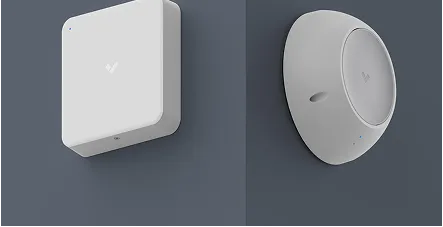
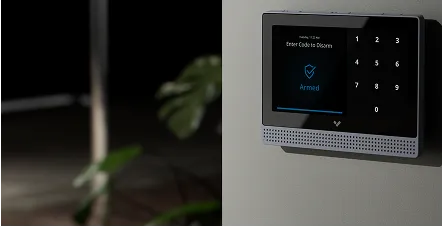
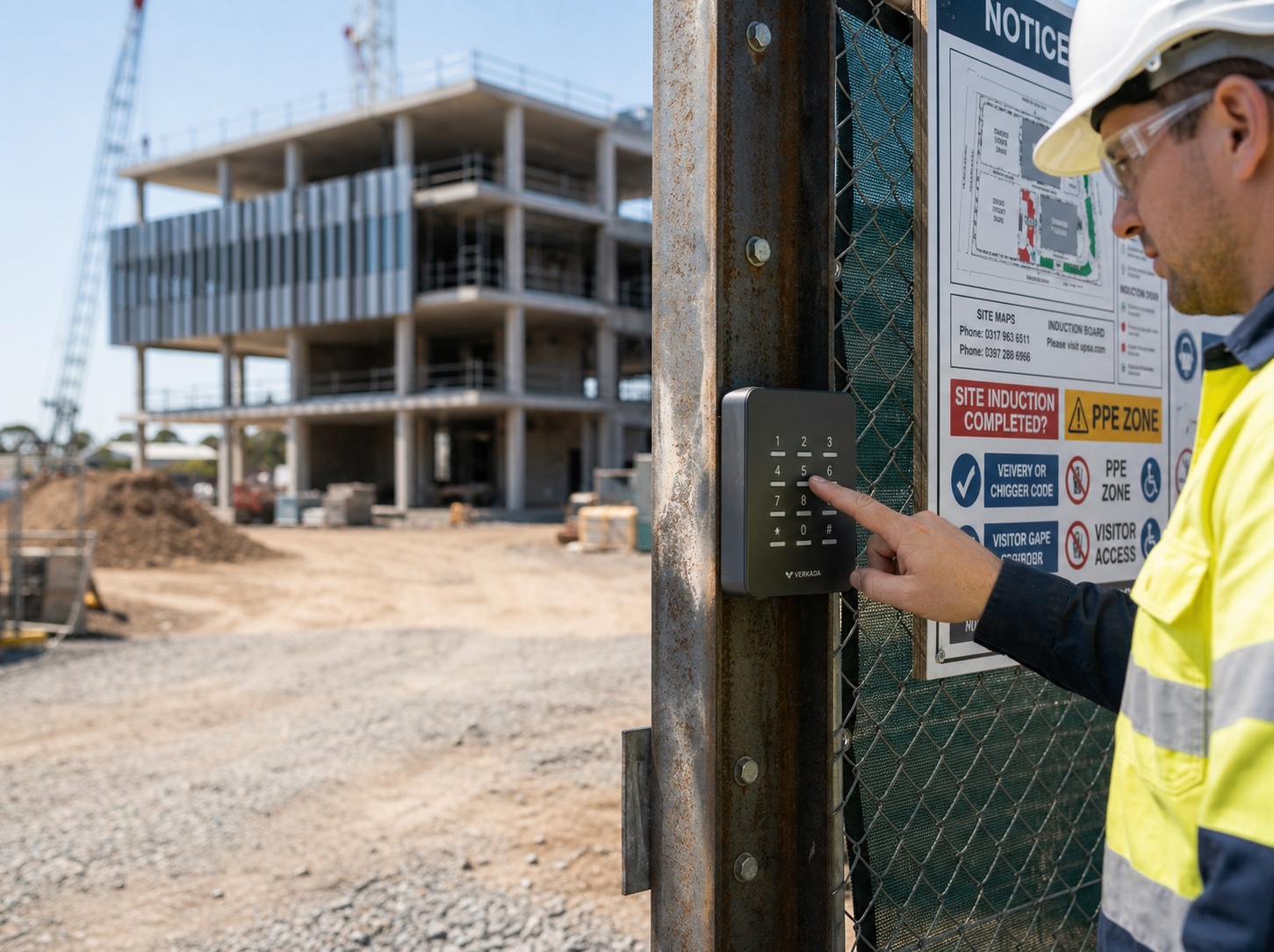
In that environment, Connect Services would usually design a mix of cloud-managed access control, selective video intercom points and linked site visibility that fits the pace of commercial construction delivery. The point is not to turn every gate into an airport.
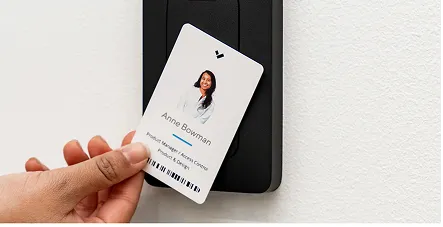
It is to give the project team a workable way to issue time-bound credentials, restrict higher-risk areas and see access activity without chasing manual registers. Permissions could be aligned to trade packages, inductions, shift windows or project stage, while site management would be able to revoke or amend access quickly when a contractor finishes, fails induction requirements or moves onto a different part of the build.
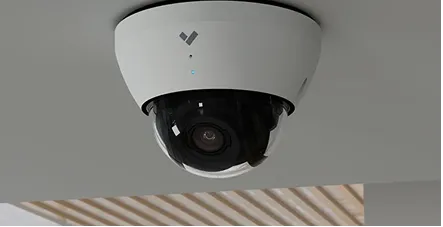
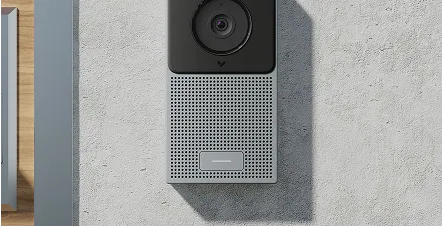
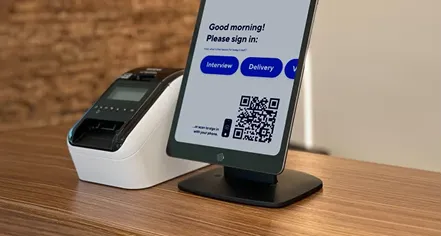
Where deliveries and temporary arrivals are common, intercom-driven verification can reduce uncontrolled entry and create a clearer record of who was admitted and why. If the project also needs portable or temporary connectivity, Connect Services could shape the design so access control works alongside broader temporary security and communications rather than becoming another disconnected subcontract package.
That staged flexibility matters on construction work because site conditions are temporary by nature. Security needs to move with the programme, support multiple subcontractors and remain useful through handover phases, defect periods and new project starts without forcing the builder to procure a completely different operating model every time the footprint changes.
What This Could Improve
Operationally, that gives construction teams a cleaner way to connect safety controls with actual site movement. Restricted-area access becomes easier to prove.
Induction and credential status can be reviewed more quickly. Incident investigation improves because the team can correlate a door event, a time window and nearby footage rather than relying on memory or sign-in sheets.
It also reduces the familiar drift that happens on long projects when access codes are shared informally and no one is fully confident which former subcontractors still hold keys or know the right sequence to open a restricted gate. None of that replaces the need for site supervision, permits or safe work method statements, but it does make the security layer more supportive of those processes instead of sitting outside them.
For larger contractors running concurrent projects, the cloud-managed model also makes standardisation more realistic, because access policies and audit reporting can be applied with more consistency from site to site even when each build has different constraints and staging. In practice that gives project teams a better basis for coordinating with subcontractors, clients, insurers and internal leadership when something goes wrong.
The footage or access trail does not just support a security decision. It helps preserve delivery confidence by reducing the uncertainty that often turns one incident into several avoidable commercial conversations.
Next Step
The best access-control rollouts on construction projects normally start with a simple question: which decisions need evidence, and which movements need friction? Connect Services would work from that point to define where credentials should speed entry, where they should restrict it and where video confirmation adds real value for site managers.
A good construction rollout therefore tends to start with the work fronts, compounds and workflows most exposed over the next few months, not a theoretical final-state design.
Once the response model is working on live sites, it is far easier to replicate across new projects and future phases with much less friction.
If you are rethinking how subcontractor, visitor or restricted-zone access is handled on active projects, review the access control service options and then contact Connect Services to discuss a contractor-management approach that supports safety, accountability and project delivery at the same time.