Why This Matters
Construction losses are rarely just about the missing item. A stolen tool set can delay a trade package, missing cable can hold up commissioning, and vandalised temporary infrastructure can trigger rework, site meetings and client questions before an insurer has even assessed the claim.
That is why evidence quality matters so much. Recent Safe Work Australia reporting continues to place construction among the highest-risk industries by serious-claim frequency, while Jobs and Skills Australia data confirms the scale of the sector and the range of businesses operating across active commercial sites every day.
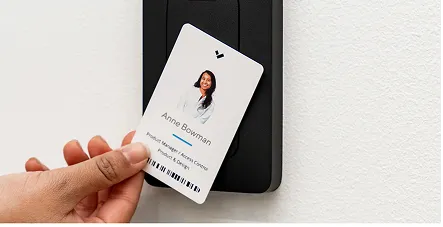
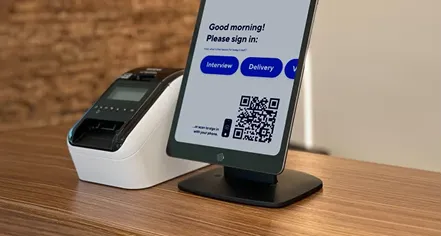
Against that backdrop, builders are often dealing with projects that have multiple subcontractors, temporary fencing, changing storage locations and incomplete lighting or power, which makes it harder to reconstruct a night-time incident cleanly after the fact. If the only record is a blurred local clip or an anecdotal account from the first person on site in the morning, the project team can lose valuable time proving what happened, who accessed the site and whether the incident was theft, trespass, internal mishandling or simple misplacement.
Those pressures are amplified by delivery deadlines and subcontractor sequencing. A loss or access failure on a live project rarely stays contained to one trade package, because missing plant, unclear movement records or delayed evidence can quickly spill into programme conversations, client updates and unplanned supervisory time that no site team really has to spare.
How Connect Services Would Respond
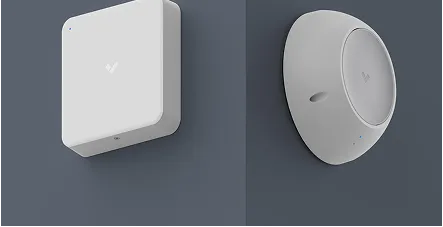
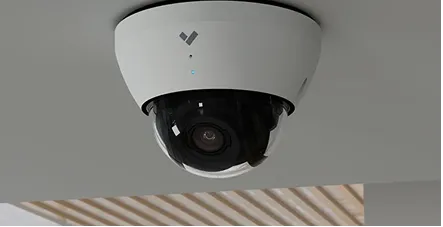
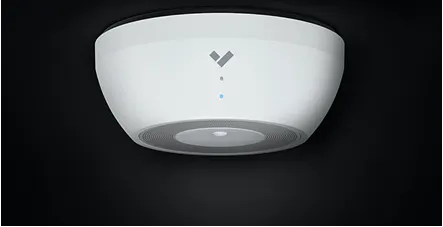
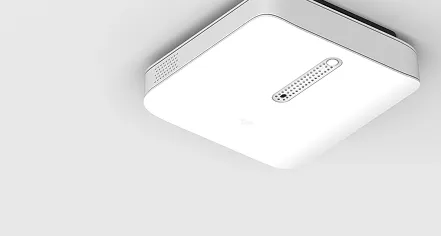
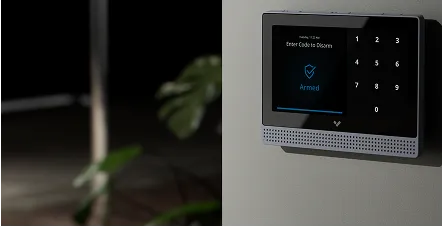
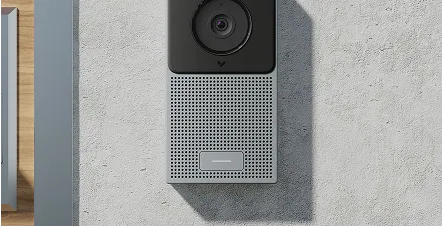
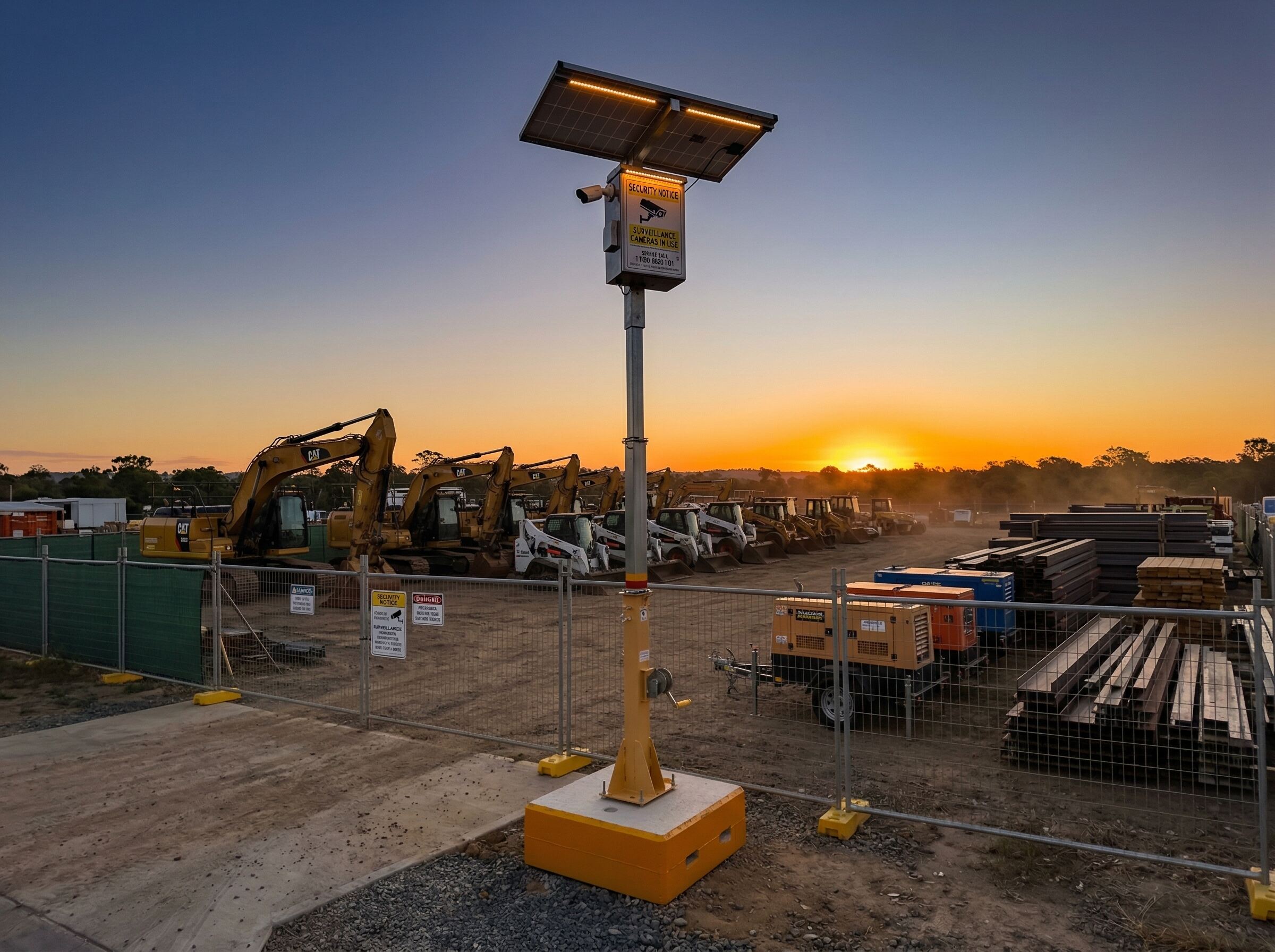
In this type of scenario, Connect Services would typically use cloud-managed security cameras together with relevant alarm monitoring workflows and broader construction security planning to strengthen the evidentiary record. Coverage would be placed around the parts of the site most likely to matter in a claim or dispute: main access points, temporary compounds, material storage, plant areas, switchboards, site sheds and routes between them.
Because the footage is centrally accessible, authorised stakeholders would be able to review the sequence of events without physically retrieving a recorder or depending on one site contact to export clips correctly under time pressure. Search tools and alert review could help narrow the window quickly, while linked timelines make it easier to show arrival, movement and departure patterns.
Where the risk profile is temporary or mobile, the design can sit alongside portable units rather than assuming a fully finished site and permanent infrastructure. That staged flexibility matters on construction work because site conditions are temporary by nature.
Security needs to move with the programme, support multiple subcontractors and remain useful through handover phases, defect periods and new project starts without forcing the builder to procure a completely different operating model every time the footprint changes.
What This Could Improve
That does not mean technology guarantees a smooth insurance outcome, but it does improve the quality of the conversation. Better footage can help distinguish between a genuine theft, an internal handling error, a contractor dispute or a one-off act of vandalism.
It can also reduce friction with clients and subcontractors because the project team has something stronger than recollection when timelines are challenged. For internal reporting, a clearer visual record often shortens the gap between discovery and action: police can be briefed faster, temporary controls can be tightened sooner, and replacement orders can be made with more confidence that the root cause is understood.
Over time, those patterns also help builders refine where lighting, fencing, storage practice or access controls need to improve on the next project. In that sense, the camera system is not just reactive.
It becomes a source of recurring operational learning, especially for contractors managing similar risk profiles across multiple jobs and wanting a more consistent standard of evidence when a site incident does occur. In practice that gives project teams a better basis for coordinating with subcontractors, clients, insurers and internal leadership when something goes wrong.
The footage or access trail does not just support a security decision. It helps preserve delivery confidence by reducing the uncertainty that often turns one incident into several avoidable commercial conversations.
Next Step
If a project has already experienced theft, vandalism or disputed site access, the next deployment should not be about adding cameras everywhere and hoping for the best. It should be about understanding which views, alerts and retrieval workflows would have made the last incident easier to resolve, then building from there.
Connect Services would use that incident-led approach to recommend the right mix of camera coverage, alerting and remote review access for active commercial sites. A good construction rollout therefore tends to start with the work fronts, compounds and workflows most exposed over the next few months, not a theoretical final-state design.
Once the response model is working on live sites, it is far easier to replicate across new projects and future phases with much less friction.
If you need stronger evidence quality across compounds, laydowns or temporary offices, review the camera solutions and then contact Connect Services to discuss a construction security design that supports investigations and insurer conversations with less guesswork.