Why This Matters
Many education sites are no longer locked down once the bell goes. State education policies across Australia actively support community use of school facilities under hiring or licensing arrangements, which means halls, theatres, sports courts, meeting rooms and other spaces may be used by external groups on evenings, weekends and during holidays.
That creates real value for the community, but it also creates a practical access problem for school leaders and facilities teams. The building booked by the hirer is usually only one part of the campus, yet a traditional key handover or shared alarm code can easily open more of the site than intended.
Staff may have to meet hirers after hours, collect keys the next morning, investigate doors left unsecured or work out who was last on site if a problem is reported later. In a sector already managing safeguarding expectations, ageing facilities and tight administration resources, after-hours use can become disproportionately manual.
The risk is not simply unauthorised entry. It is the lack of clear attribution and the friction that builds when access control does not reflect the actual booking model.
Education providers also need to balance openness, safeguarding and community confidence in a way that few other sectors do. Security has to support a welcoming environment for students and families while still giving leaders enough evidence and operational control to respond quickly when concerns arise across larger or more complex estates.
How Connect Services Would Respond
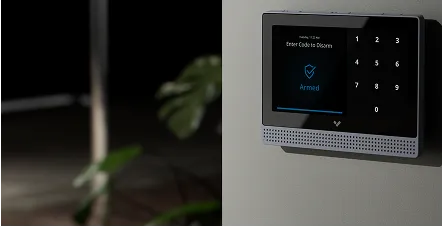
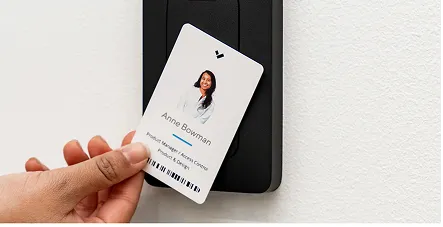
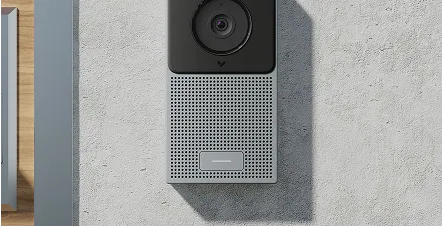
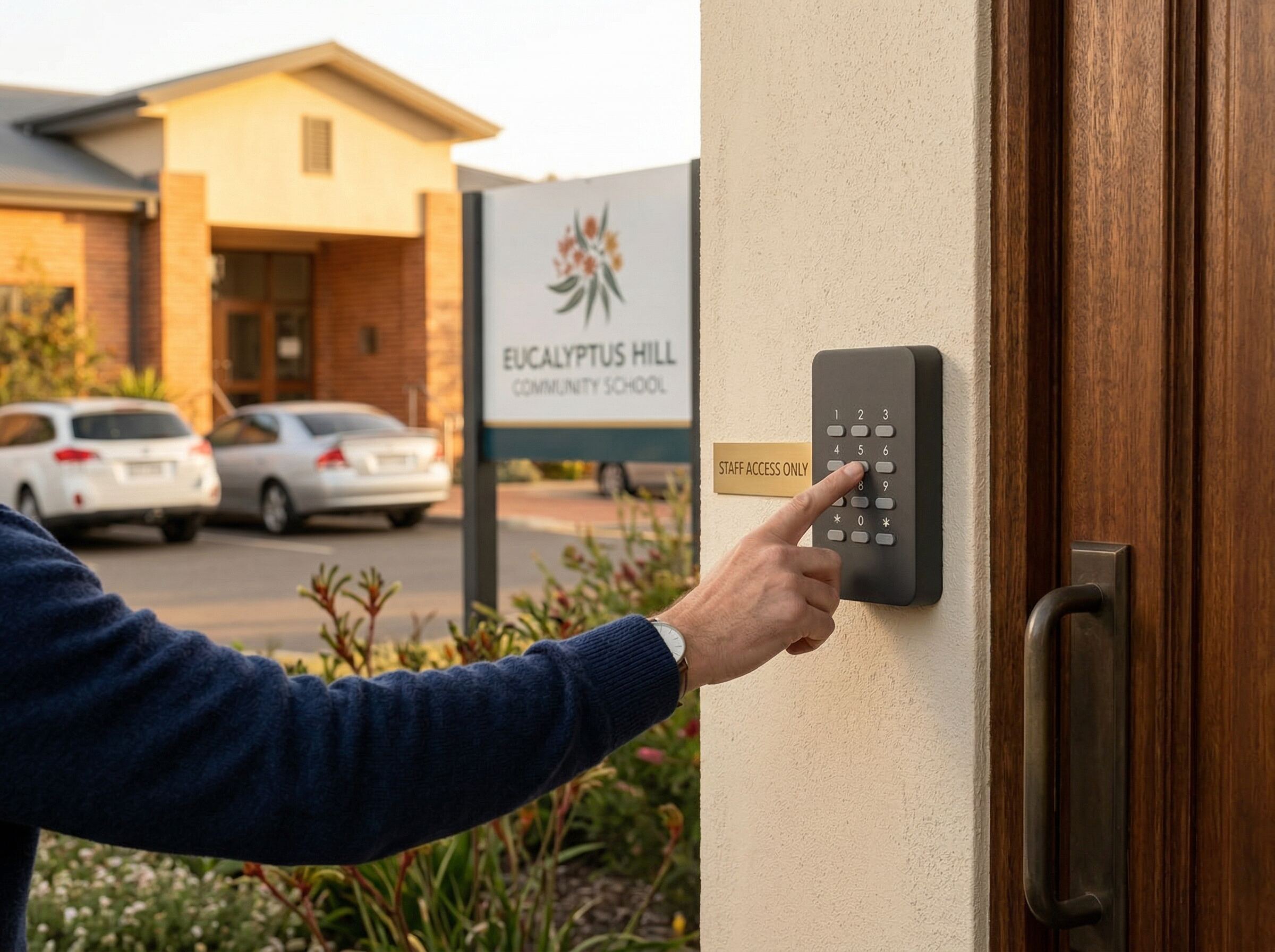
Connect Services would normally solve that with cloud-managed access control, supported where helpful by video intercom entry verification and aligned to the needs of shared education facilities. Instead of issuing physical keys or a generic code, the school could provide time-bound credentials matched to the booking window and the specific doors or zones the hirer should reach.
If a club is using only the gymnasium, for example, access can be limited to the external path, amenities and booked area rather than the wider campus. Entry events are logged centrally, which gives facilities staff a clearer record if a question arises about timing or site use.
Because the credentials are managed remotely, staff do not need to be physically present for every handover and can adjust access more quickly when bookings change or a user needs temporary support at the entry point. That makes after-hours access feel more like a controlled service process than an exception someone must remember to manage manually.
A staged cloud-managed model helps because campuses and buildings can be brought into one operating standard over time instead of waiting for a single major project. That makes it easier to keep governance improving even when older sites, newer facilities and shared community spaces all sit within the same education portfolio.
What This Could Improve
The operational value is simplicity and accountability. Hirers get a cleaner arrival experience, schools reduce the burden of key administration and leadership teams gain a better audit trail if damage, alarm events or unauthorised movement is reported later.
It also helps protect the rest of the campus because access can be narrowed to the spaces genuinely needed for the booking instead of opening the whole site by default. None of that removes the need for clear hire agreements, local supervision expectations or child-safe procedures, and the copy should not suggest it does.
The more credible claim is that cloud-managed access makes those existing processes easier to administer and easier to evidence. For busy schools, that is often the difference between encouraging community use confidently and seeing it as a recurring facilities burden that staff would rather avoid.
The real gain is steadier administration and calmer decision-making. When leaders know incidents can be reviewed, restricted areas can be managed and supporting records can be retrieved consistently, the security conversation becomes less reactive and better aligned to safeguarding, wellbeing and facilities management responsibilities already sitting inside the school or provider.
Next Step
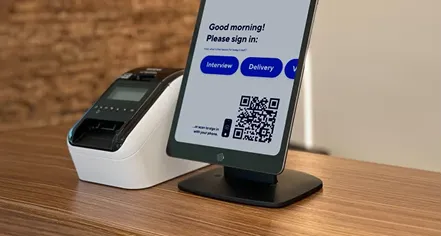
If your school or education provider is trying to make after-hours use easier to administer without compromising campus control, the first step is usually to map which spaces are shared most often and what a booking-aligned access pathway should look like. Connect Services would then recommend the right mix of credentials, entry verification and audit reporting around that pathway.
That is why education rollouts usually benefit from beginning with the campuses or spaces where inconsistency creates the most friction today, then using that first phase to define the operating standard for the rest of the estate. It keeps the work proportionate and avoids imposing unnecessary controls on parts of the environment that do not need them.
Just as importantly, it helps leaders explain to staff and families why the security model is improving without making the campus feel over-managed. It also gives leaders more room to align security changes with wellbeing messaging and community expectations.
For schools reviewing evening, weekend or holiday facility use, start with the access-control options and then contact Connect Services to discuss an after-hours model that is safer, simpler and better matched to community bookings.