Why This Matters
Education sites are open by necessity. Students, staff, families, contractors, visitors and community users all move through the same estate, often across multiple buildings and sometimes multiple campuses.
Recent Jobs and Skills Australia data shows education and training employs about 1.31 million people nationally, including around 660,000 in school education, while Safe Work Australia’s latest profile still records thousands of serious claims in the sector each year. For schools, colleges and multi-campus providers, the security challenge is not just preventing bad events.
It is managing day-to-day openness without losing consistency. One campus may have modern cameras and clear access workflows, another may still rely on older systems and manual processes.
Incident review quality becomes uneven, staff confidence varies from site to site and leaders struggle to explain that the same safeguarding expectations are being applied across the whole organisation. When a provider grows, merges or adds new buildings, that inconsistency usually gets worse unless security is standardised intentionally.
Education providers also need to balance openness, safeguarding and community confidence in a way that few other sectors do. Security has to support a welcoming environment for students and families while still giving leaders enough evidence and operational control to respond quickly when concerns arise across larger or more complex estates.
How Connect Services Would Respond
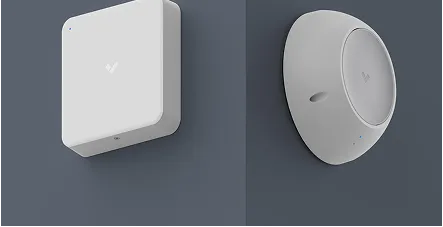
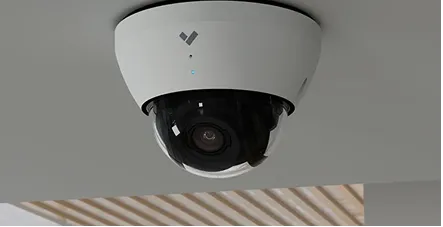
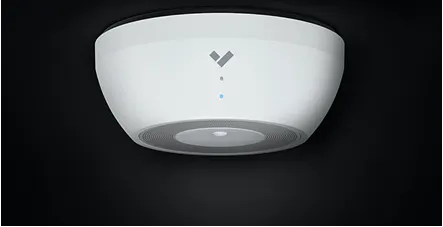
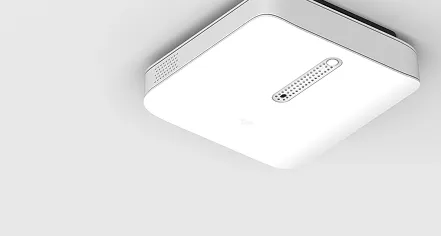
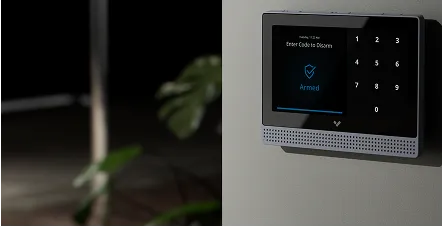
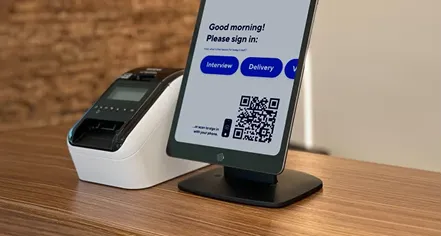
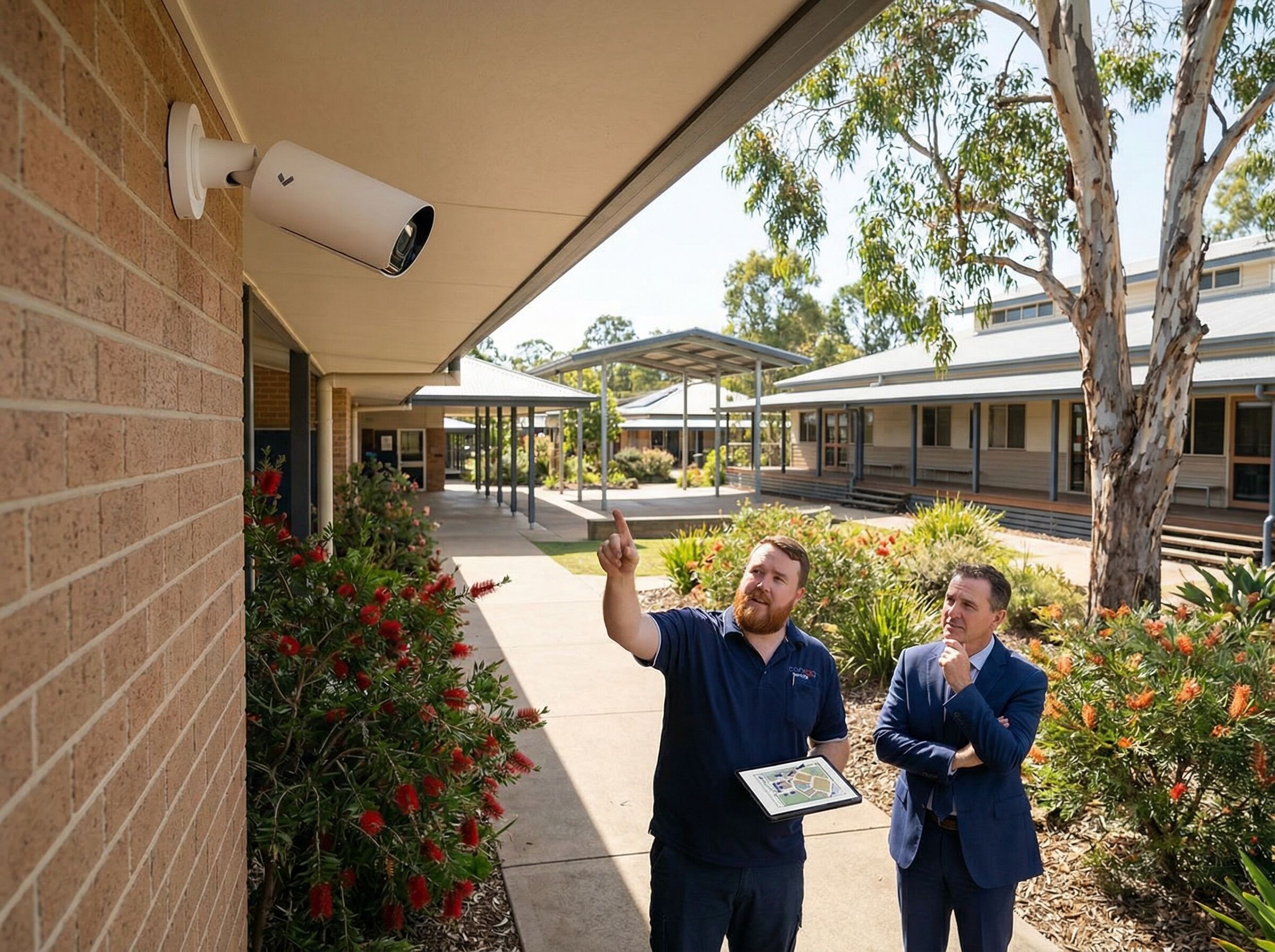
Connect Services would normally respond with a model built around cloud-managed security cameras, supported by access control and aligned to the practical operating needs of education environments. Rather than treating each campus as a separate technology island, the rollout would create one platform for authorised leaders and facilities teams to review incidents, manage user permissions and apply consistent retention and reporting standards.
That helps schools investigate safeguarding issues, after-hours events and property incidents more quickly, while still allowing local teams to handle everyday site activity. The aim would not be to make schools feel over-secured or to replace supervision and student welfare processes with hardware.
It would be to give leadership a common operating model across campuses so incident review, access management and evidence handling are more reliable wherever an issue occurs. If a provider already has mixed systems, the upgrade can be staged so campuses are brought into one standard progressively rather than through a single disruptive replacement project.
A staged cloud-managed model helps because campuses and buildings can be brought into one operating standard over time instead of waiting for a single major project. That makes it easier to keep governance improving even when older sites, newer facilities and shared community spaces all sit within the same education portfolio.
What This Could Improve
That consistency delivers practical benefits. Investigations become easier because footage and access data are available in a familiar format at every site.
Facilities and ICT teams spend less time supporting one-off local systems. New campuses or buildings can be onboarded to the same baseline more quickly, and governance conversations become clearer because leaders can compare sites with more confidence.
Just as importantly, standardisation helps education providers balance openness with accountability. A school does not need every space to feel controlled, but it does need confidence that incidents can be reviewed, restricted areas can be managed and evidence can be retained appropriately when concerns arise.
The platform should therefore be framed as an enabler of calmer, more consistent operations, not as a substitute for pastoral care, staff presence or child-safe policies. That positioning is especially important in education, where the environment must remain welcoming even while security expectations become more complex.
The real gain is steadier administration and calmer decision-making. When leaders know incidents can be reviewed, restricted areas can be managed and supporting records can be retrieved consistently, the security conversation becomes less reactive and better aligned to safeguarding, wellbeing and facilities management responsibilities already sitting inside the school or provider.
Next Step
If you are reviewing security across multiple campuses, the most useful first step is usually to map where inconsistency is currently causing the most friction, whether that is access administration, incident review or after-hours oversight. Connect Services would use that view to recommend a staged standardisation plan that suits the estate you already have.
That is why education rollouts usually benefit from beginning with the campuses or spaces where inconsistency creates the most friction today, then using that first phase to define the operating standard for the rest of the estate. It keeps the work proportionate and avoids imposing unnecessary controls on parts of the environment that do not need them.
Just as importantly, it helps leaders explain to staff and families why the security model is improving without making the campus feel over-managed. It also gives leaders more room to align security changes with wellbeing messaging and community expectations.
For schools, colleges and education providers looking for a more unified security model, start with the broader platform view and then contact Connect Services to discuss a campus-wide deployment that improves consistency without losing the character of the education environment.