Why This Matters
Public-facing facilities ask staff to balance openness with control every day. Customer-service centres, libraries, community hubs, civic offices and similar sites need to remain accessible, yet they are also places where conflict, abuse, unauthorised entry or after-hours damage can occur.
Jobs and Skills Australia data shows public administration and safety employs nearly one million people nationally, and Safe Work Australia continues to highlight the sector as one where workplace violence and aggression are a material concern. For agencies and public operators, that means security cannot simply be about locking more doors.
It has to support staff confidence, incident evidence and a calmer response when a situation escalates in a building that still needs to feel public and approachable. Many organisations struggle because their current systems are inconsistent.
One site may have useful camera coverage, another may only have an alarm, and another may rely too heavily on staff memory when a confrontation or suspicious access needs to be reviewed later. Public-sector operators also carry a visibility and accountability burden that commercial sites do not always face in the same way.
When a building, depot or remote asset is poorly monitored, the cost is not only operational. It can affect service continuity, staff confidence, public trust and the quality of reporting available to executives, boards or elected representatives.
How Connect Services Would Respond
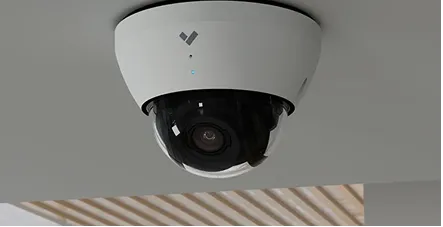
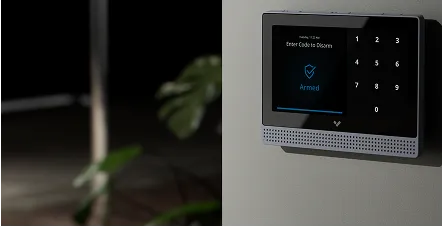
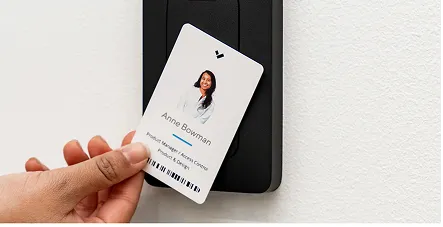
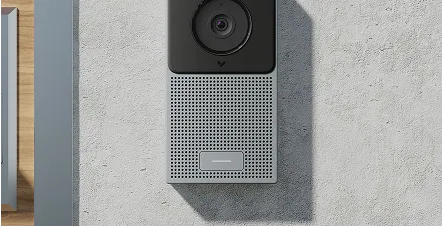
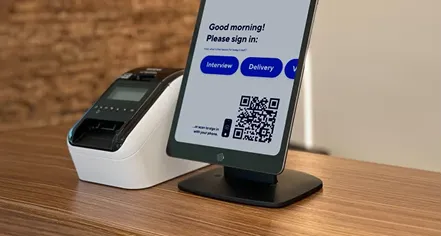
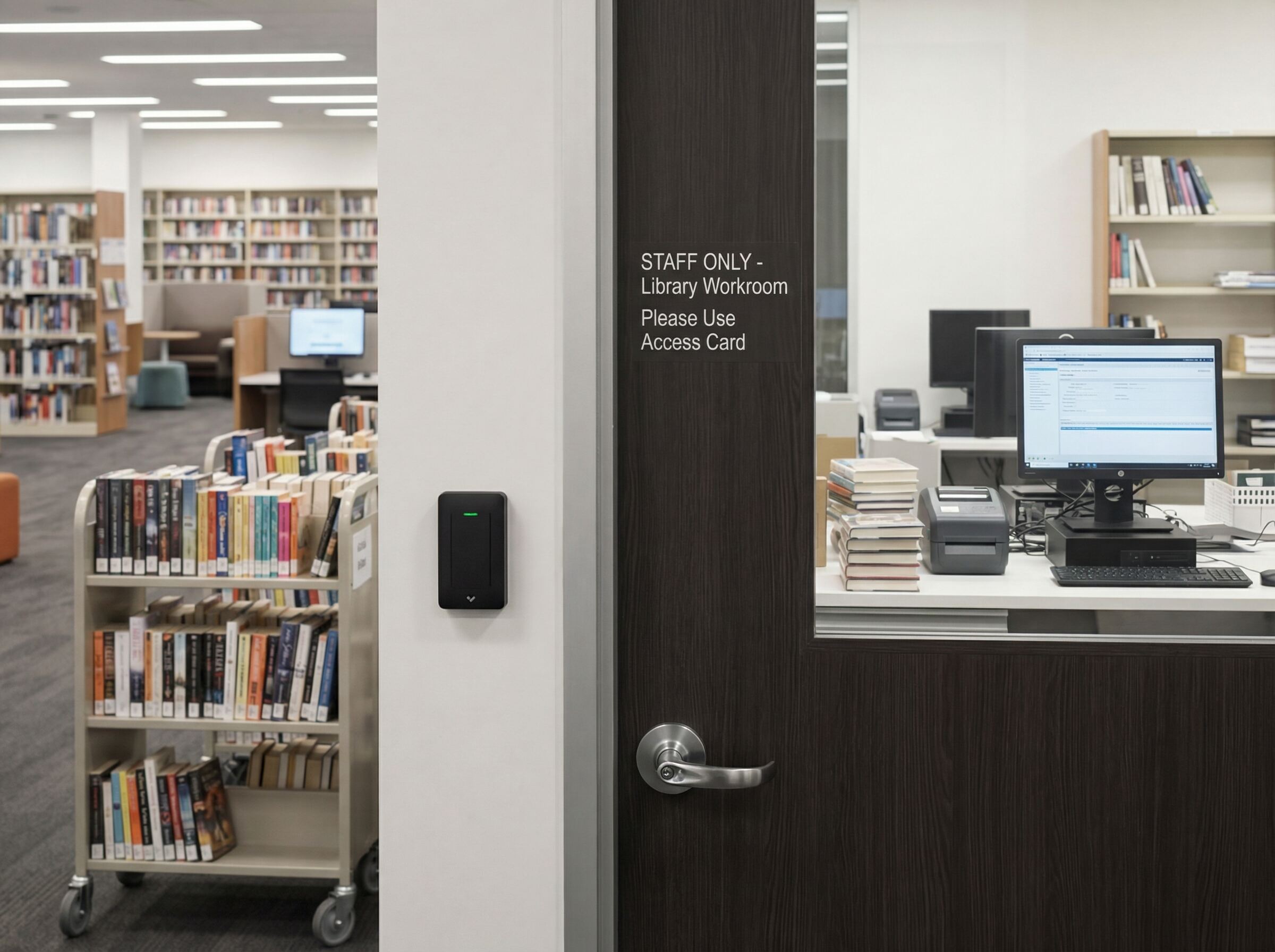
Connect Services would normally respond with a blend of cloud-managed security cameras, access control and, where escalation and response are part of the brief, alarm systems aligned to government and infrastructure settings. The design would focus on the spaces where public access and staff protection intersect: front counters, public foyers, meeting rooms, staff-only corridors, service doors and after-hours entry points.
Rather than treating every building as if it were either completely open or completely locked down, Connect Services would separate public zones from restricted ones so the agency can keep community access workable while still creating a reliable record around entrances, incidents and staff-only movement. Because the platform is centrally managed, authorised teams can review footage, check access events and support site staff without needing a different workflow at every building.
That is why a staged, cloud-managed model is so useful across government and infrastructure estates. Different asset types can still have different local rules, but they can be brought under a clearer common standard for visibility, access and incident review instead of remaining locked into separate site-by-site decisions that are difficult to govern centrally.
What This Could Improve
That can materially improve how agencies respond when something goes wrong. Staff are better supported because incidents can be reviewed against actual evidence instead of recollection alone.
Restricted areas are easier to manage because access logic is clearer and easier to audit. Corporate or facilities teams gain a more consistent basis for deciding whether a site needs more training, different entry controls or stronger after-hours protection.
The public copy should remain careful here. Technology does not guarantee violent incidents stop, and it does not replace de-escalation training, staffing models or good public-service design.
What it can do is make security oversight calmer and more consistent, especially in buildings where workers need to interact with the public but also need confidence that incidents will be visible, reviewable and taken seriously when they occur. In practice that creates better auditability and a calmer operational picture.
Corporate teams can see where the estate is still dependent on manual workarounds, site teams get faster support when incidents occur and leadership has a stronger basis for deciding which risks are genuinely strategic rather than simply more visible because one site reports better than another.
Next Step
If your organisation is reviewing staff safety and site security across customer-facing public facilities, the best place to begin is usually with the spaces where openness and control are most out of balance today. Connect Services would use that view to shape a practical combination of cameras, access and alarm workflows that fits each building while still improving consistency across the estate.
The most defensible starting point is usually the facilities or assets where poor visibility currently drives avoidable callouts, manual administration or weak incident evidence. Once those priorities are clear, the rollout can be phased in a way that respects public budgets and governance expectations while still lifting the estate standard over time.
That phased logic also makes it easier to explain priorities to executives, boards or elected members because the security roadmap is tied to service continuity, staff safety and evidence quality rather than to isolated technology requests. It also makes future asset onboarding easier to justify and govern because each new site can be assessed against the same risk and reporting logic.
For agencies looking to strengthen oversight in libraries, civic offices, service centres and other community-facing sites, review the camera and security options and then contact Connect Services to discuss a public-facility rollout that supports staff, visitors and better incident response.