Why This Matters
Hospitals are among the most complex operating environments in the built world. They are open to patients, families, contractors and emergency arrivals around the clock, yet they also contain highly restricted spaces, vulnerable people and staff working under pressure.
Recent Jobs and Skills Australia data shows health care and social assistance employs about 2.39 million people and is Australia’s largest employing industry. Safe Work Australia also reports that the sector has the highest number of serious workers compensation claims and a higher-than-average exposure to workplace violence and aggression.
For hospitals that means security is not a separate problem from operations. It is part of how emergency departments, wards, loading areas, pharmacies, mental-health units, plant rooms and public waiting spaces are managed every day.
When an aggressive incident, unauthorised entry or restricted-area breach occurs, the challenge is often less about whether policy exists and more about whether staff can get help quickly, whether management can review what happened clearly and whether the incident record is strong enough to support follow-up without adding more administrative burden to already stretched teams. Healthcare providers also have to manage these risks in settings where care delivery, public access and restricted clinical activity are happening side by side.
That is one reason the evidence burden feels so high: incidents often involve several teams at once, and the quality of the response depends heavily on how quickly the organisation can build a clear, credible timeline.
How Connect Services Would Respond
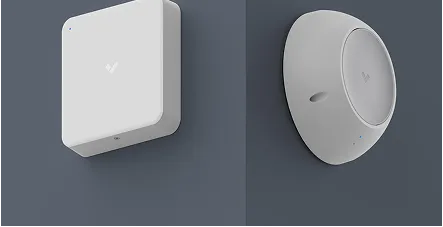
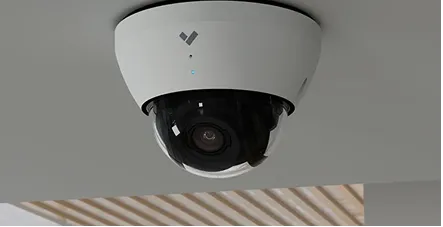
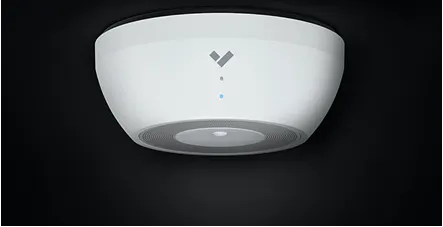
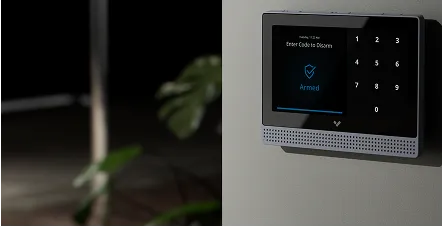
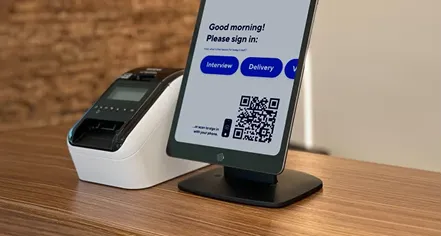
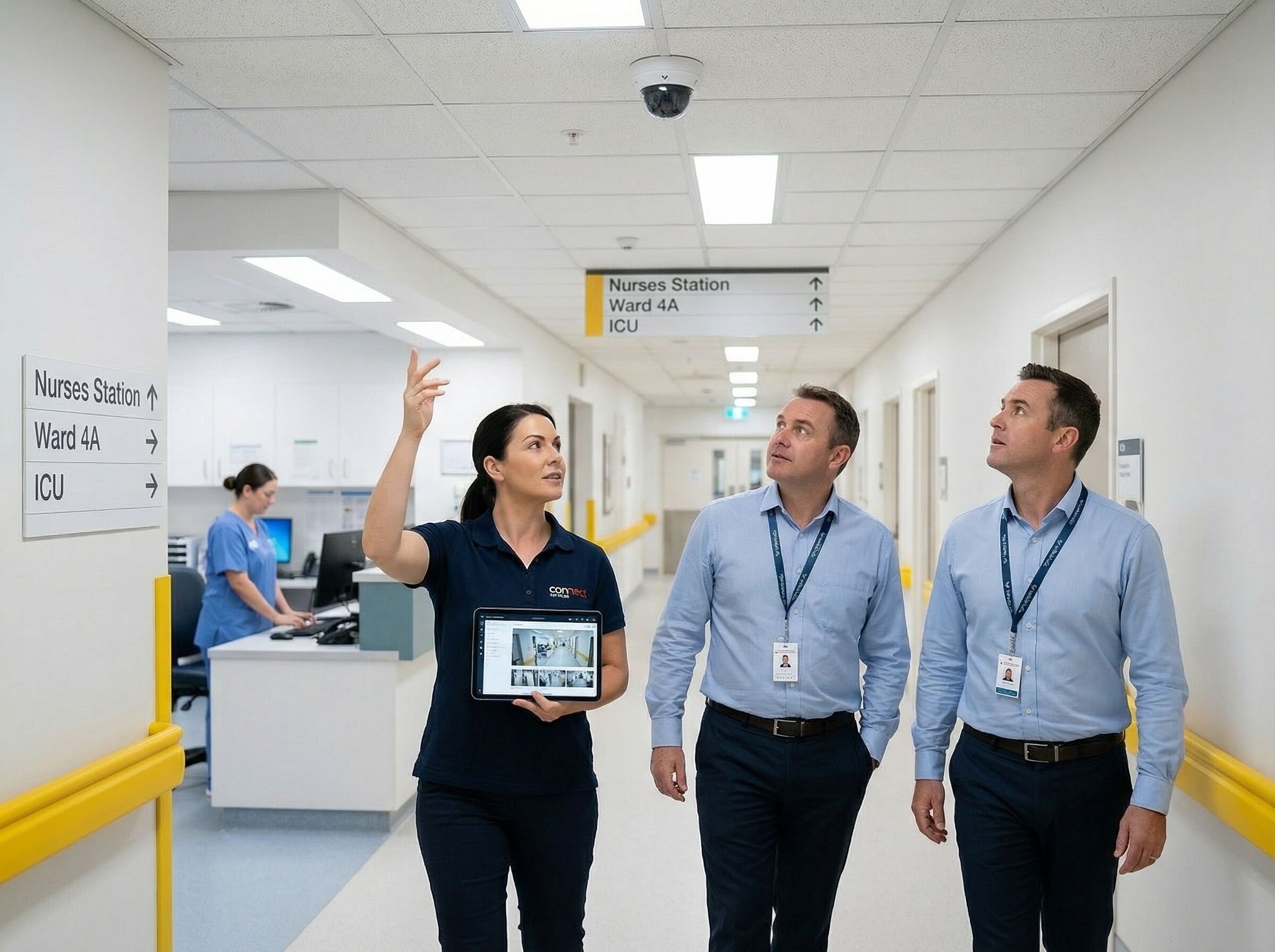
Connect Services would typically respond with a combination of cloud-managed security cameras, access control and selected video intercom points, all aligned to the realities of healthcare environments. The design would separate public circulation, clinical support zones, staff-only areas and restricted rooms so the hospital has clearer control over who can enter where, while also giving authorised teams a faster way to review incidents and coordinate response.
In practice that could mean better visibility around emergency department entry points, staff access to restricted corridors, after-hours loading or service areas, and clearer verification at entrances where access should be controlled but still efficient. Connect Services would keep the framing disciplined: the system would support hospital operations, staff safety and evidence handling, but it would not be presented as a substitute for clinical procedures, trained security staff, duress systems or broader violence-prevention programs already in place.
A cloud-managed operating model is helpful here because it can improve visibility without forcing hospitals, pharmacies or aged care providers into another disconnected workflow. The strongest deployments are the ones that complement clinical, facilities and governance processes already in place so staff can respond faster without feeling that technology has been bolted awkwardly onto care environments.
What This Could Improve
The credible value is stronger operational awareness and cleaner incident review. Staff and security teams can investigate aggressive behaviour, unauthorised entry or restricted-area concerns with clearer timelines.
Access permissions can be managed more precisely as roles and contractors change. Leadership can compare patterns across departments and identify where environmental design, staffing or procedural changes may be needed.
That matters because healthcare incidents often escalate quickly and involve multiple stakeholders, from clinical teams to facilities, executives and external reviewers. Better evidence does not guarantee safer outcomes on its own, but it does reduce uncertainty and improve the quality of the response when something serious happens.
Over time, it also supports governance by making reporting and escalation more consistent across a large, high-pressure estate where disconnected security systems often create more friction than confidence. That usually leads to stronger escalation and cleaner governance conversations.
Leadership can compare sites or departments more confidently, reviewers spend less time chasing records and operational teams can focus on what needs to change rather than debating what the evidence does or does not show after the fact.
Next Step
For hospitals reviewing staff safety, restricted-area control or public-entry management, the right first step is usually to define which incidents currently take too long to verify and which spaces need stronger control without interrupting care. Connect Services would then design the camera, access and entry layer around those operational priorities.
Healthcare projects therefore tend to benefit from starting with the areas where the need for control, evidence and response is already most obvious, then expanding once the operating model is proven. That approach keeps the rollout aligned to real care and governance priorities instead of treating every room or facility as if it needed the same controls.
It also gives executives, clinical leaders and facilities teams a clearer shared basis for deciding where the next phase should focus without adding avoidable governance friction. That makes later phases easier to justify clinically and operationally across the estate.
If you are looking for clearer security oversight across hospital facilities, review the access-control options and then contact Connect Services to discuss a healthcare security rollout that supports staff, patients and governance with better visibility and evidence.