Why This Matters
Multi-facility aged care providers face a distinctive operating challenge because security, safety, visitor access and resident dignity all need to be balanced at once. Jobs and Skills Australia data shows residential care services employ about 288,700 people, and the strengthened Aged Care Quality Standards coming into effect from 1 November 2025 place renewed emphasis on safe, quality environments and stronger governance.
For providers running several homes, the issue is often not whether each site has some form of security. It is whether the standard of access control, incident review and reporting is consistent enough across the group to support governance and reassure leadership.
One home may manage staff and contractor access well, another may still rely on manual key processes. One site may retrieve footage quickly when an incident is raised, another may struggle to find the right clip.
That inconsistency creates friction for corporate teams, uneven expectations for facility managers and avoidable uncertainty when incidents, visitor concerns or after-hours events need to be escalated across the organisation. Healthcare providers also have to manage these risks in settings where care delivery, public access and restricted clinical activity are happening side by side.
That is one reason the evidence burden feels so high: incidents often involve several teams at once, and the quality of the response depends heavily on how quickly the organisation can build a clear, credible timeline.
How Connect Services Would Respond
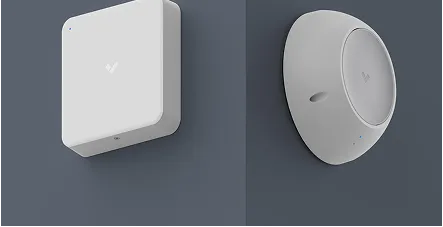
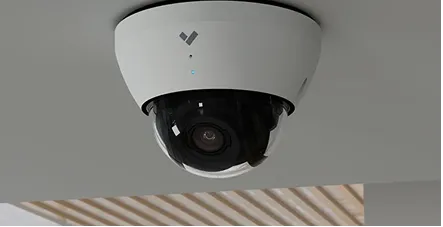
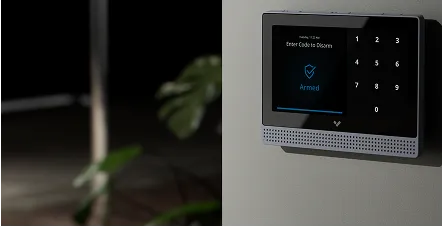
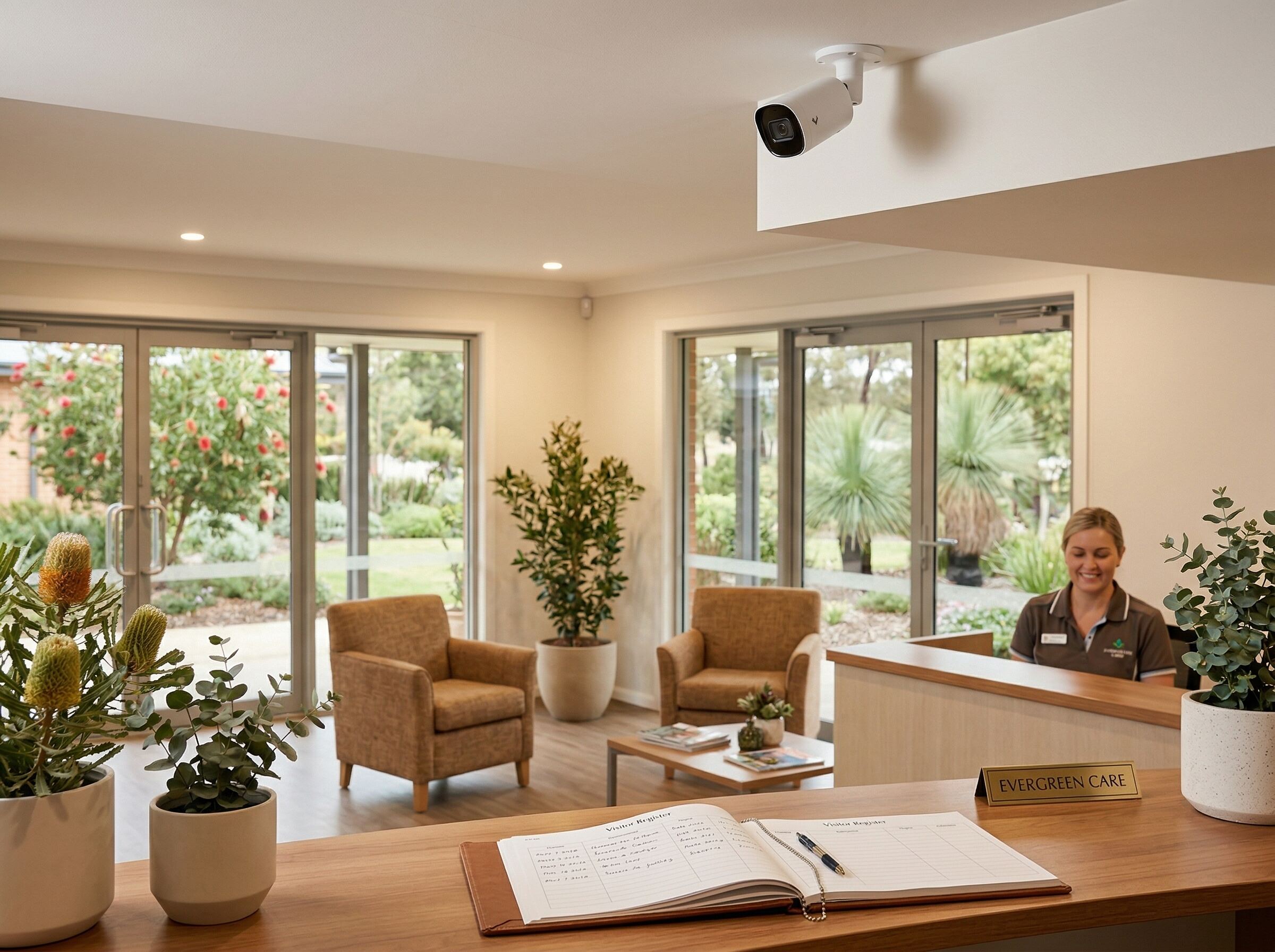
Connect Services would usually respond with a standardised operating model built around cloud-managed security cameras, access control and the broader single-platform approach, all adapted to the realities of aged care and healthcare environments. The goal would not be to create an institutional atmosphere or to monitor residents intrusively.
It would be to give providers a consistent way to manage staff, contractor and restricted-area access, review incidents, retain evidence and support facility teams across multiple homes. Permissions could be managed more consistently as staff move between sites, while footage and event records could be reviewed centrally when an incident requires support from regional or corporate leaders.
Because the same platform can be applied progressively, providers can uplift older homes in stages without waiting for a once-in-a-decade estate replacement program before consistency improves. A cloud-managed operating model is helpful here because it can improve visibility without forcing hospitals, pharmacies or aged care providers into another disconnected workflow.
The strongest deployments are the ones that complement clinical, facilities and governance processes already in place so staff can respond faster without feeling that technology has been bolted awkwardly onto care environments.
What This Could Improve
That consistency matters for governance as much as for operations. It helps providers explain how access is controlled, how incidents are reviewed and how supporting records are retained across the estate rather than only at the best-managed site.
It can also reduce administrative burden for facility teams that currently spend too much time on keys, local footage retrieval or one-off reporting requests from head office. None of this should be written as if technology alone meets the strengthened standards or resolves every duty of care concern.
Those obligations still depend on workforce capability, policies, clinical governance and resident-centred practice. The stronger and more defensible claim is that standardised security tools make those broader responsibilities easier to administer and evidence.
For aged care providers trying to grow, integrate acquisitions or simply operate more consistently, that is often the real commercial and governance value. That usually leads to stronger escalation and cleaner governance conversations.
Leadership can compare sites or departments more confidently, reviewers spend less time chasing records and operational teams can focus on what needs to change rather than debating what the evidence does or does not show after the fact.
Next Step
If your organisation is reviewing security and access across multiple aged care homes, the best place to begin is usually with the gaps in consistency: which facilities still rely on manual workarounds, where incident review takes too long and where corporate oversight is weakest. Connect Services would use that baseline to recommend a staged standardisation plan that respects the operating character of each home while lifting the estate as a whole.
Healthcare projects therefore tend to benefit from starting with the areas where the need for control, evidence and response is already most obvious, then expanding once the operating model is proven. That approach keeps the rollout aligned to real care and governance priorities instead of treating every room or facility as if it needed the same controls.
It also gives executives, clinical leaders and facilities teams a clearer shared basis for deciding where the next phase should focus without adding avoidable governance friction. That makes later phases easier to justify clinically and operationally across the estate.
For providers looking to strengthen oversight across multiple facilities, review the platform model and then contact Connect Services to discuss an aged care rollout that improves consistency, visibility and reporting without losing sight of resident dignity.