Why This Matters
Hospitality sites operate in a uniquely exposed environment because service, safety and reputation all play out in public. Recent Jobs and Skills Australia data shows accommodation and food services employs about 981,100 people, with roughly 61 per cent working part-time and a median worker age of just 26.
That combination of shift work, younger teams, guest-facing service and late trading means incidents often unfold when supervisors are juggling multiple priorities at once. A hotel or venue might be dealing with an intoxicated guest, a noise complaint, an alleged injury, a key dispute, an after-hours corridor issue or a disagreement about what happened in a lobby, bar or loading area.
When the evidence is weak, the business is left relying on recollection, patchy statements and delayed investigation at exactly the moment it needs clarity. That creates risk not only for liability and insurance conversations but also for brand trust, staff confidence and the speed with which management can decide whether an incident is isolated, exaggerated or part of a wider operating problem.
That exposure is amplified by long trading hours, casual staffing and the reputational sensitivity of the sector. A poorly handled incident can affect staff confidence, guest sentiment and online perception at the same time, which is why hospitality operators increasingly need evidence they can review quickly rather than relying on recollection after a busy service period has ended.
How Connect Services Would Respond
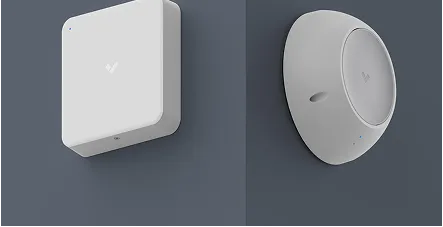
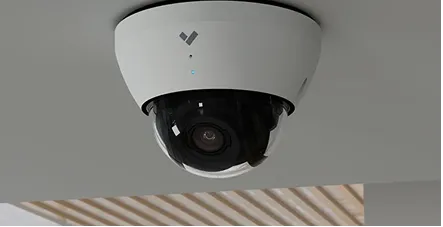
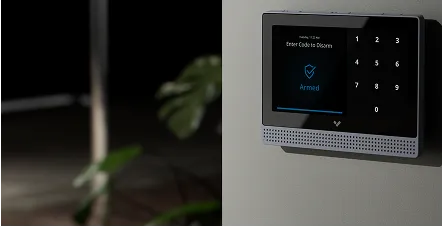
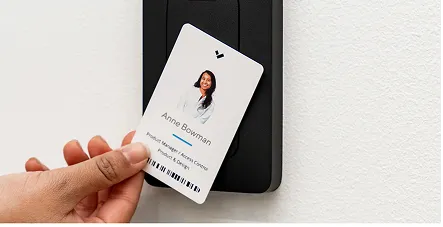
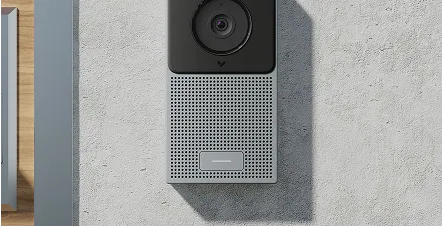
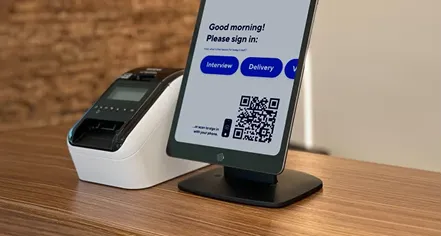
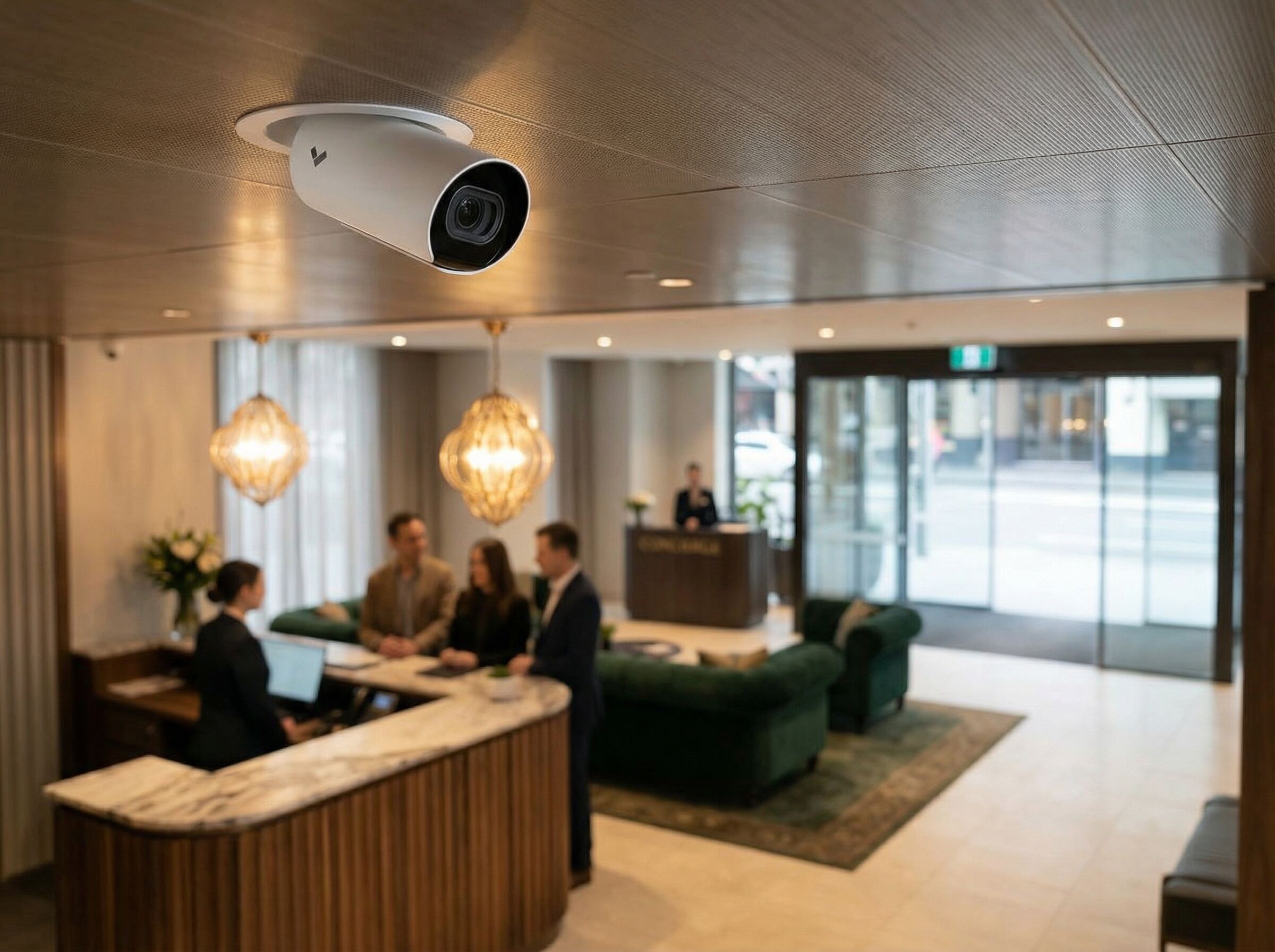
In that setting, Connect Services would normally design a blend of cloud-managed security cameras, selected video intercom points where entry verification or service-area communication matters, and broader planning aligned to hospitality operations. Coverage would be shaped around the moments most likely to need review: entrances, lobbies, reception, lifts, corridors, loading points, cash-handling zones and other public or back-of-house areas where disputes can arise.
Because the system is centrally accessible, authorised managers can review a complaint, confirm timing, export evidence and brief stakeholders without depending on one local recorder or one staff member with technical know-how. If a group operates more than one venue, the same platform can also standardise retention, permissions and review workflows so incident handling is less dependent on which property happened to be involved.
The intention is not surveillance for its own sake. It is a cleaner, faster evidence trail in environments where service issues and security issues frequently overlap.
A common cloud-managed approach also gives growing groups a better way to keep standards aligned between venues. Instead of every property inventing its own rules for access, footage retrieval or after-hours escalation, group leaders can define a more consistent response model while still allowing each venue to reflect its own layout, trading pattern and risk profile.
What This Could Improve
That better evidence can materially change the quality of response. Managers can verify whether a complaint matches the recorded sequence of events, support staff more confidently when allegations are disputed, and escalate genuine risks with less delay.
It also helps identify repeat locations or recurring triggers, such as poorly supervised service points, blind corridors, unmanaged loading access or cash-handling pinch points that deserve a procedural fix. The platform does not eliminate guest complaints or guarantee that every dispute resolves neatly, and the copy should stay clear on that.
What it does offer is stronger evidentiary confidence when time matters. For hospitality operators, that is often the difference between a calm, documented response and an escalating situation driven by uncertainty.
Over time it also supports training, because real incidents can be reviewed more consistently and used to sharpen front-of-house and security procedures across the venue or group. That consistency can improve training and management confidence as much as it improves security.
Real incidents become easier to review, coaching becomes more specific and the business can distinguish between a one-off complaint and a structural issue in the way a property is staffed, laid out or supervised during higher-risk periods.
Next Step
If you are reviewing guest safety, complaint handling or liability exposure in a hotel, pub or multi-use venue, the first step is usually to identify which incidents currently take too long to verify and which spaces leave management with the least confidence. Connect Services would use that operational view to shape the right coverage and retrieval workflow rather than simply increasing camera count.
For most hospitality operators, the strongest first move is to focus on the spaces and incident types that currently create the most friction for staff and managers, then build the rollout from there. That usually produces a much better outcome than trying to secure every area equally without first understanding where the business most needs faster answers.
It also gives ownership groups a clearer basis for deciding which venues need capital spend first and which issues are better solved through procedure, staffing or training.
For hospitality teams wanting faster dispute review and stronger incident evidence, start with the camera solution set and then contact Connect Services to discuss a surveillance approach that supports both guest safety and better management decision-making.