Why This Matters
Running one venue and running a portfolio are fundamentally different operational problems. Once a hospitality business expands into multiple hotels, pubs, clubs or mixed-use sites, the complexity of security rises quickly because every property has its own layout, staffing pattern, incident history and level of local management capability.
Jobs and Skills Australia data shows accommodation and food services remains a large, highly part-time sector, which means venue leadership coverage can vary sharply from one site to the next. That inconsistency is manageable when every property is treated as a standalone business, but it becomes a drag on growth when head office needs to compare incidents, apply group standards and support new openings or acquisitions.
One venue may retrieve footage in minutes, another may struggle to find it. One site may have clear access permissions, another may still be managing keys informally.
Over time the group ends up with variable response quality and very little confidence that a reported incident in one property was handled to the same standard as the same incident somewhere else. That exposure is amplified by long trading hours, casual staffing and the reputational sensitivity of the sector.
A poorly handled incident can affect staff confidence, guest sentiment and online perception at the same time, which is why hospitality operators increasingly need evidence they can review quickly rather than relying on recollection after a busy service period has ended.
How Connect Services Would Respond
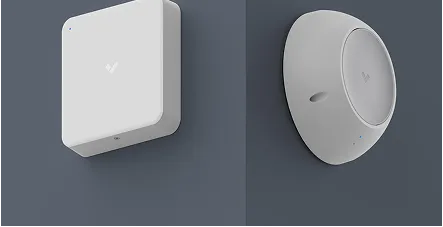
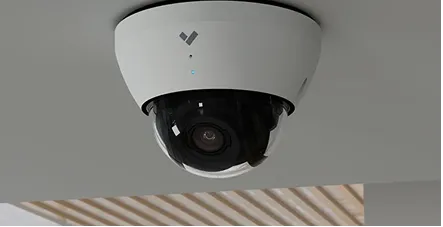
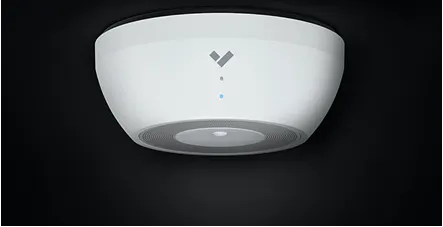
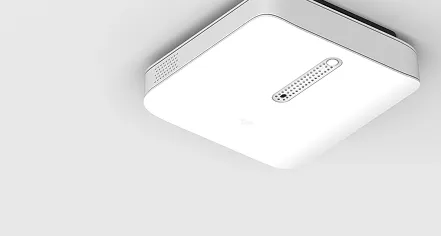
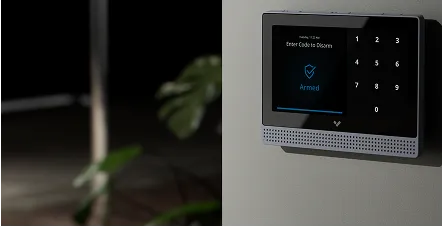
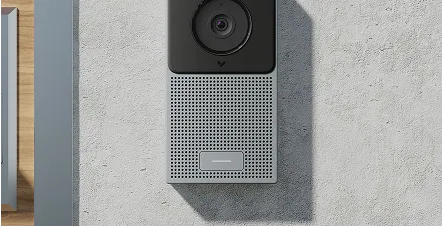
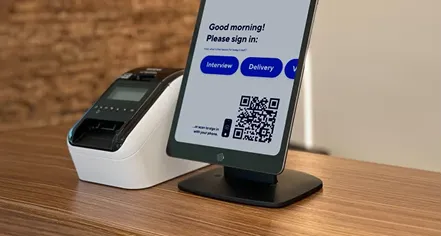
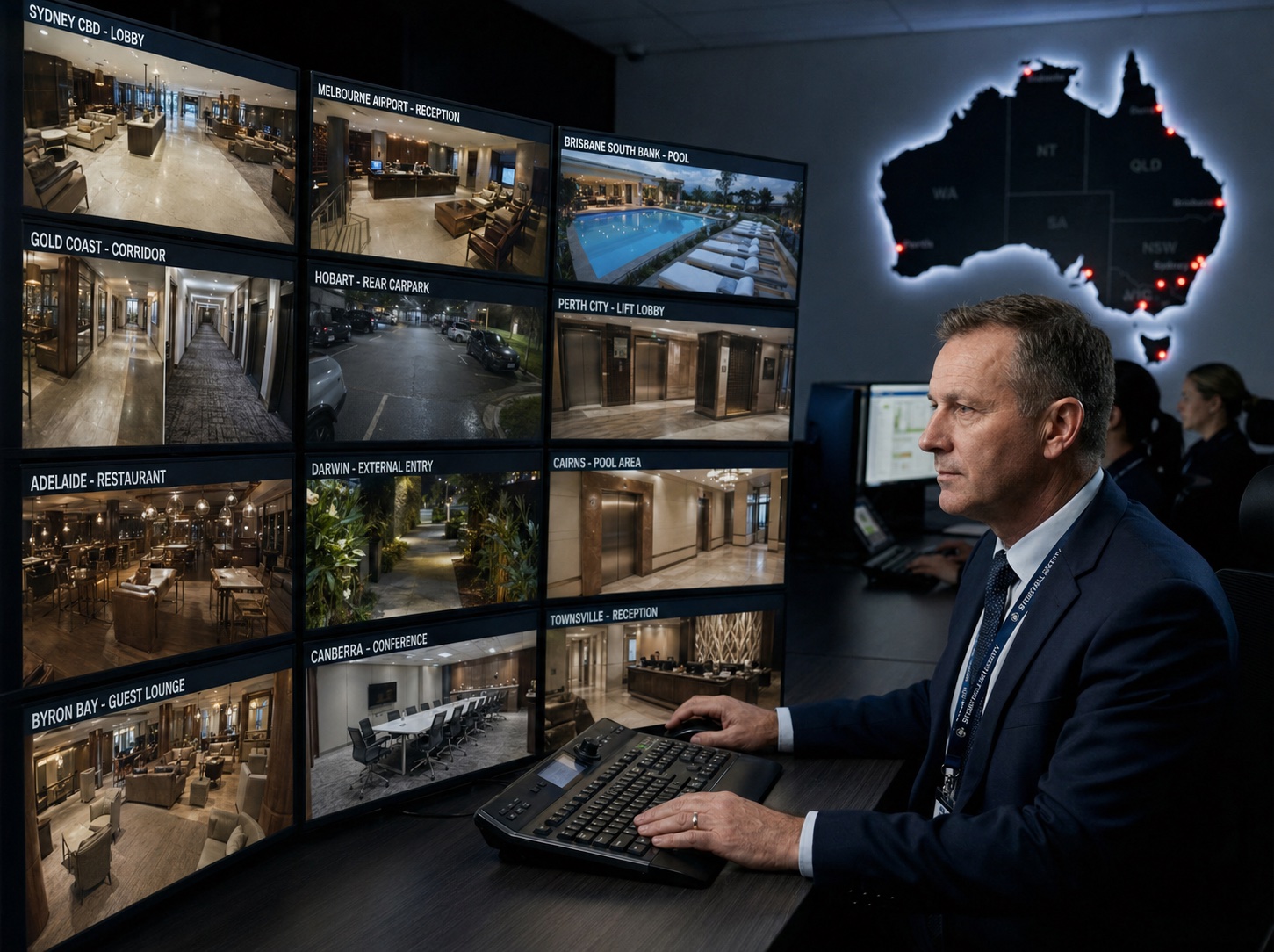
Connect Services would normally respond with a group-wide model built around alarm monitoring, cloud-managed surveillance and the broader Verkada platform, aligned to the realities of multi-property hospitality operations. Instead of each venue running its own isolated stack, authorised head office and regional users could review incidents, check device health, compare sites and support local managers from one environment.
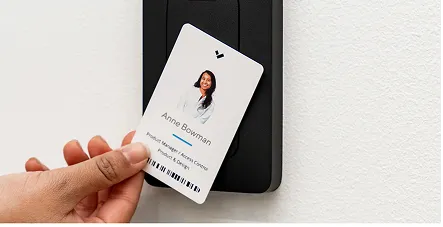
New properties can be brought into the same platform more quickly, while legacy locations can be upgraded in stages without waiting for a full estate replacement. Where the brief includes back-of-house or restricted-area control, the same centralised model can incorporate access events so investigations are not split across different systems.
That creates a more workable operating rhythm for group teams who need to support venues after hours, brief executives, respond to incidents quickly or assess whether a problem is local or systemic. A common cloud-managed approach also gives growing groups a better way to keep standards aligned between venues.
Instead of every property inventing its own rules for access, footage retrieval or after-hours escalation, group leaders can define a more consistent response model while still allowing each venue to reflect its own layout, trading pattern and risk profile.
What This Could Improve
The gain is consistency and scale. A centralised environment does not remove the need for strong local managers, but it gives them better support and gives the group stronger confidence in the quality of incident handling across the estate.
It also makes expansion easier. When a new hotel or venue is acquired, the business has a clearer template for camera settings, alarm contacts, user permissions and evidence retention, rather than starting from zero each time.
That supports more reliable reporting and creates a better basis for benchmarking where risks are concentrated. Group leaders can see which properties generate the most after-hours alerts, which ones struggle with repeated complaints or access issues, and where operating procedures may need reinforcement.
In that sense, the platform supports governance as much as security. It gives hospitality groups a more standard operating model at a time when growth often outpaces the systems that were good enough when there were only one or two venues to manage.
That consistency can improve training and management confidence as much as it improves security. Real incidents become easier to review, coaching becomes more specific and the business can distinguish between a one-off complaint and a structural issue in the way a property is staffed, laid out or supervised during higher-risk periods.
Next Step
If your hospitality group is trying to standardise security across existing venues or preparing to bring new properties into the estate, the right first step is usually to define the operating model you want head office and site teams to share. Connect Services would then map the platform, alerts and permissions around that model so the technology supports scale instead of complicating it.
For most hospitality operators, the strongest first move is to focus on the spaces and incident types that currently create the most friction for staff and managers, then build the rollout from there. That usually produces a much better outcome than trying to secure every area equally without first understanding where the business most needs faster answers.
It also gives ownership groups a clearer basis for deciding which venues need capital spend first and which issues are better solved through procedure, staffing or training.
For hotel, venue and accommodation groups looking for a clearer group-wide view of incidents and site security, start with the platform overview and then contact Connect Services to discuss a multi-property deployment that improves consistency without slowing growth.