Why This Matters
Access management becomes a real hospitality issue once a venue is operating across early starts, late finishes, shift handovers and a mix of permanent staff, casuals, contractors and third-party service providers. Accommodation and food services remains one of Australia’s largest employers and, with roughly 61 per cent of workers in part-time roles, the labour model is built on frequent roster movement.
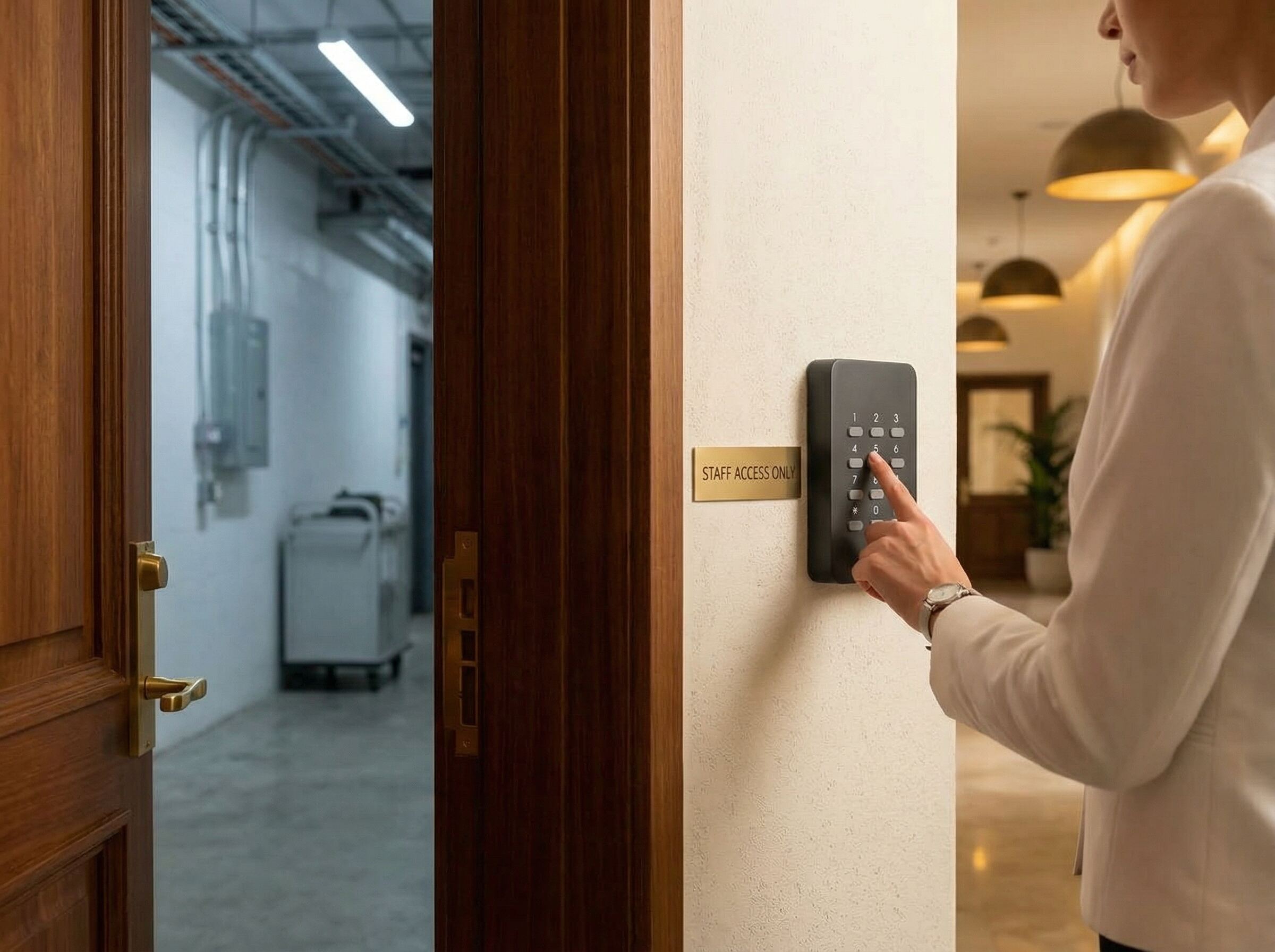
In practical terms that means keys change hands often, PIN codes become communal knowledge and back-of-house areas can drift into a level of access no one would intentionally approve if they were designing from scratch. Storerooms, liquor areas, manager offices, plant rooms, service corridors, linen rooms and guest-sensitive zones all have different risk levels, yet many venues still rely on the same credentialing logic for all of them.
The result is a poor fit between operating reality and security control. When a staff member leaves suddenly, a cleaner needs temporary access, or an agency worker only needs one area for one shift, keys and shared codes create more trust risk than most managers are comfortable admitting.
That exposure is amplified by long trading hours, casual staffing and the reputational sensitivity of the sector. A poorly handled incident can affect staff confidence, guest sentiment and online perception at the same time, which is why hospitality operators increasingly need evidence they can review quickly rather than relying on recollection after a busy service period has ended.
How Connect Services Would Respond
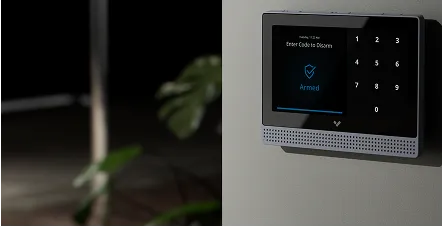
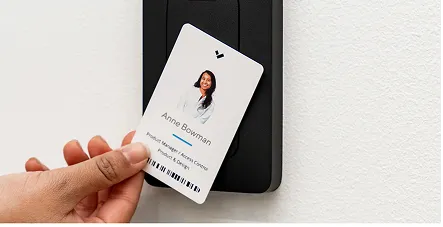
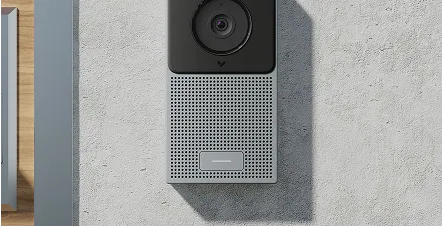
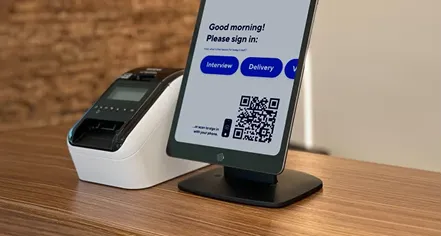
Connect Services would usually address that with cloud-managed access control, supported where relevant by video intercom entry points and planned around the way hospitality venues actually schedule people. Instead of relying on mechanical keys or static codes, staff access can be issued by role, shift window, venue area or contractor package, then adjusted remotely when rosters change.
A venue manager could remove access from a departed employee without waiting for locks to be rekeyed, while service providers and temporary workers could be given narrower permissions that expire automatically when the job ends. Because entry events are logged centrally, management gains a clearer record of when restricted spaces were used and by whom, which becomes particularly valuable when reviewing stock discrepancies, guest-access complaints or after-hours incidents.
If a group runs multiple venues, the same permission structure can be applied across all of them so standards stay more consistent as staffing moves between sites. A common cloud-managed approach also gives growing groups a better way to keep standards aligned between venues.
Instead of every property inventing its own rules for access, footage retrieval or after-hours escalation, group leaders can define a more consistent response model while still allowing each venue to reflect its own layout, trading pattern and risk profile.
What This Could Improve
Operationally, that improves both security and administration. Managers spend less time chasing keys, fewer areas remain accessible simply because no one wants the hassle of changing a code, and incident review becomes more grounded because the venue has a record of the actual access event rather than assumptions about who should have been on shift.
It also supports a more professional approach to contractor and cleaner management, which is often where access control quietly breaks down in hospitality. None of this replaces good supervision or staff training, and the copy should not pretend it does.
What it does do is bring access logic closer to operational reality. In a sector built on turnover, flexibility and long operating hours, that tends to be the real win.
The system becomes easier to administer, easier to audit and more credible when management needs to explain how restricted areas are controlled. That consistency can improve training and management confidence as much as it improves security.
Real incidents become easier to review, coaching becomes more specific and the business can distinguish between a one-off complaint and a structural issue in the way a property is staffed, laid out or supervised during higher-risk periods.
Next Step
The best hospitality access projects usually begin by deciding which spaces should stay frictionless for staff and which ones should create a stronger record every time they are used. Connect Services would use that distinction to recommend the right mix of credentials, door types and review workflows for each venue.
For most hospitality operators, the strongest first move is to focus on the spaces and incident types that currently create the most friction for staff and managers, then build the rollout from there. That usually produces a much better outcome than trying to secure every area equally without first understanding where the business most needs faster answers.
It also gives ownership groups a clearer basis for deciding which venues need capital spend first and which issues are better solved through procedure, staffing or training.
If you are trying to reduce key risk, tighten back-of-house access or standardise permissions across hotels, pubs or restaurants, review the access control platform options and then contact Connect Services to discuss a staff-access model that fits hospitality turnover and operating hours more cleanly.