Why This Matters
Air quality is an operational and safety issue in many industrial settings, not just a facilities issue. Safe Work Australia guidance is clear that businesses must eliminate or minimise exposure to airborne contaminants such as dusts, fumes, gases and vapours, and that workplace exposure limits remain a critical reference point when risks are assessed.
In practice, though, many sites still struggle with fragmented information. Maintenance teams may have one view of ventilation performance, supervisors may have another understanding of occupancy patterns, and HSE leads may only see issues once complaints or threshold events are raised.
That makes it harder to distinguish between isolated comfort problems, recurring environmental trends and conditions that justify engineering review or specialist intervention. The challenge grows in sites where spaces change function, occupancy shifts across the day, or contractors are using processes that temporarily alter air conditions.
Without usable data in the right hands, teams can end up reacting slowly or arguing over whether a problem is persistent enough to warrant escalation. Industrial businesses also have to manage the overlap between production continuity, contractor access, vehicle movement and audit expectations.
When those pressures sit inside the same physical footprint, poor visibility or weak attribution creates operational drag well beyond the immediate security issue because maintenance, HSE and site leadership all end up spending time on reconstruction instead of prevention.
How Connect Services Would Respond
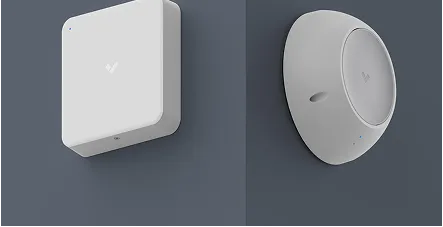
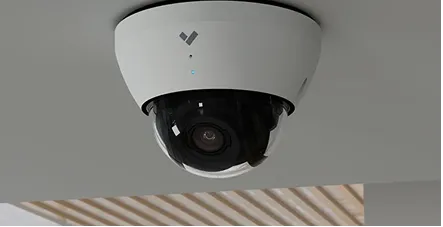
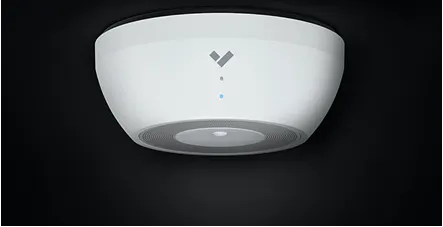
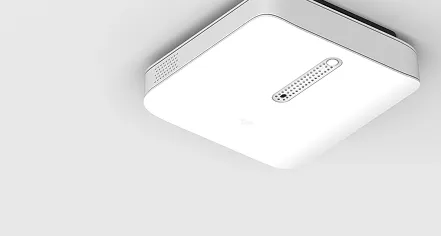
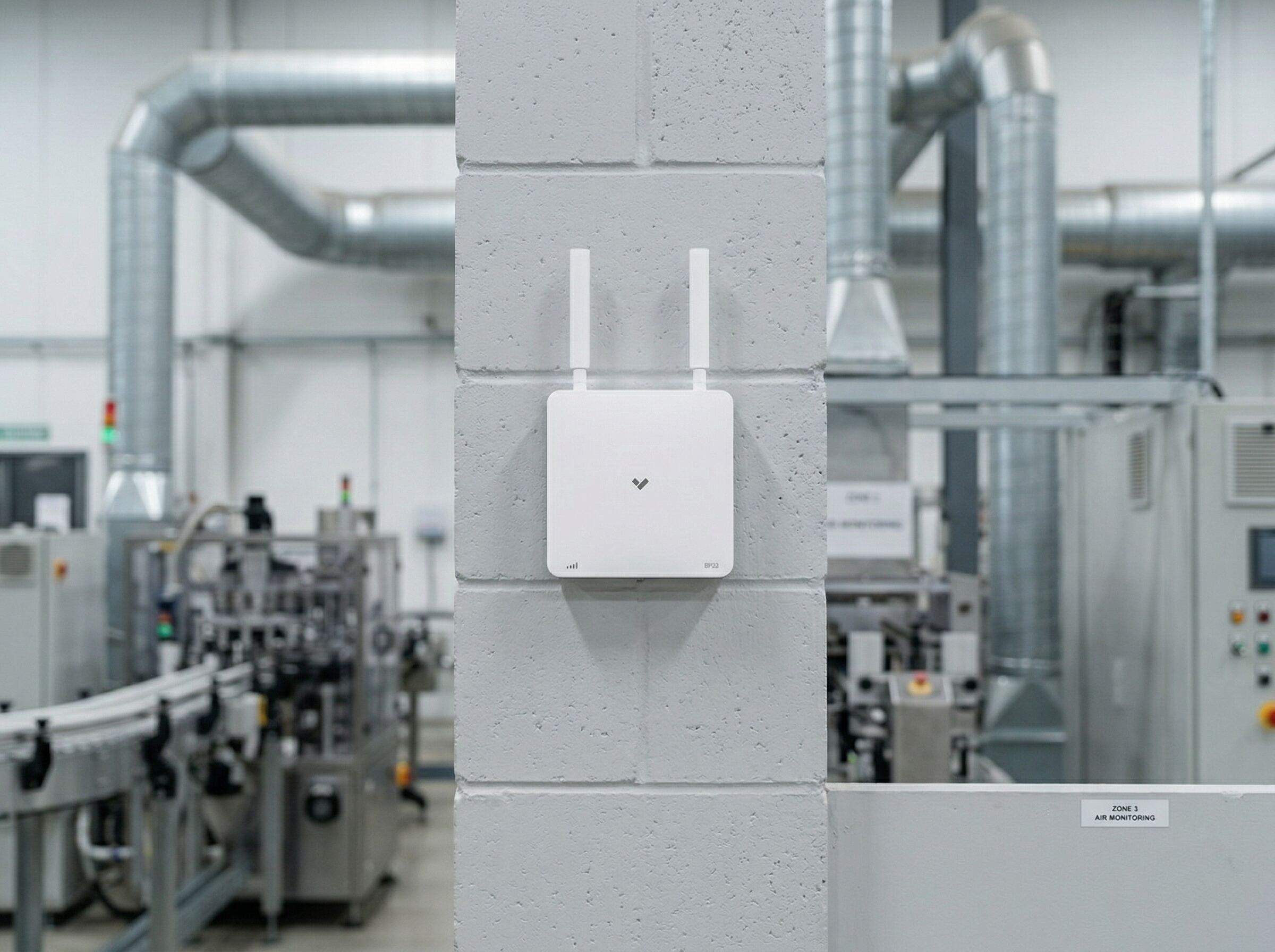
In that context, Connect Services would typically position air-quality and environmental monitoring as a supplementary layer within a wider cloud-managed platform, aligned to the needs of industrial and manufacturing environments. The design would focus on providing operational visibility into trends such as temperature, humidity, occupancy and broader air-quality indicators in selected indoor spaces so facilities, operations and HSE teams can see issues earlier and investigate more quickly.
Importantly, Connect Services would frame that capability carefully. It would not be presented as a replacement for specialist statutory monitoring, certified gas detection or engineered controls where those are required.
Instead, it would sit alongside existing controls and help teams identify patterns, respond to threshold changes and keep a clearer record of when and where environmental issues were observed. That distinction keeps the technology useful without overselling what a general cloud-managed sensor layer should do on a heavy industrial site.
That is why a single cloud-managed environment can be so useful across industrial estates. Workshops, dispatch zones, yards, plant rooms and restricted stores may all operate differently, but they still benefit from a consistent approach to visibility, permissions and event review so the site is easier to manage as one system rather than a series of exceptions.
What This Could Improve
Used in that way, the platform can create real operational value. Threshold alerts can help the right person investigate sooner.
Historical trends can support conversations about ventilation, occupancy, maintenance or process change instead of relying on anecdotal complaints. Shared visibility across facilities, operations and HSE can reduce the lag that often occurs when environmental information sits in separate systems or never reaches the decision-maker who can actually fix the problem.
Over time, that can also improve audit readiness because the business has a clearer record of when issues were observed, how they were escalated and what follow-up occurred. None of this should be written as a guarantee of compliance or exposure elimination.
Those outcomes depend on the underlying hazard controls, engineering response and site procedures. The credible claim is that better environmental visibility supports faster response, stronger record-keeping and more informed escalation when teams need to decide whether a local issue is becoming a broader workplace risk.
The effect is usually strongest when the platform helps different teams work from the same evidence. Operations can see what happened, HSE can assess whether controls failed, maintenance can judge whether a physical fix is needed and leadership can decide where investment should go next without piecing the story together from several disconnected records.
Next Step
If you are reviewing air-quality monitoring across workshops, production areas or other indoor industrial spaces, the right first move is usually to identify which decisions need better trend data and which spaces would benefit from faster environmental visibility. Connect Services would then recommend a sensor and platform design that complements existing controls instead of pretending to replace them.
Industrial projects therefore tend to perform best when they start with the highest-value or highest-uncertainty zones, then expand once the review and escalation workflow is working reliably. That approach keeps the rollout commercially grounded and helps the site build better discipline around evidence and control at the same time.
It also makes budget and shutdown planning easier because upgrades can be phased around operational priorities instead of imposed as one disruptive capital event. That phasing also leaves room to validate reporting expectations before scale.
For industrial teams looking to strengthen air-quality awareness and records, review the monitoring options and then contact Connect Services to discuss a supplementary deployment that supports safer, better-informed environmental management.