Why This Matters
Recent national data shows the Australian mining industry employs about 297,500 people and remains heavily concentrated in regional and remote locations, particularly across Queensland and Western Australia. Safe Work Australia has also found that workers in very remote Australia experience a materially higher burden of serious claims than workers in major cities, with more time lost when something goes wrong.
That matters when a site is not just busy but distant. Exploration pads, haul-road junctions, pump stations, fuel compounds and temporary laydown areas often sit well away from a control room, a security office or even reliable fixed communications.
In that environment the problem is rarely just whether a camera exists. The real issue is whether the footage is accessible quickly enough to help someone act, whether the equipment can stay online without constant site visits, and whether operations teams can see a developing issue before it becomes a theft loss, trespass incident or safety investigation.
Traditional CCTV built around local recorders, fixed power and site-by-site maintenance usually adds cost and delay at the very moment a remote operator needs flexibility. That combination of distance, contractor movement and uneven communications is why mining security decisions often sit inside broader HSE and continuity conversations rather than inside a narrow facilities budget.
If an event cannot be reviewed remotely and quickly, the cost shows up in vehicle travel, production interruption, contractor coordination and the time leadership needs to determine whether a local issue is isolated or part of a broader pattern.
How Connect Services Would Respond
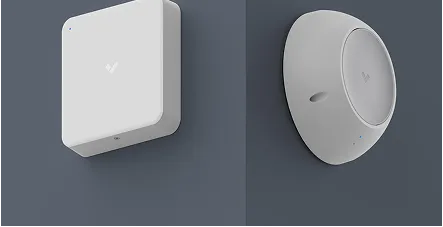
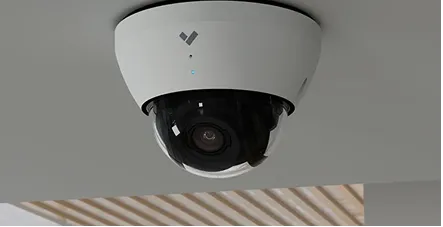
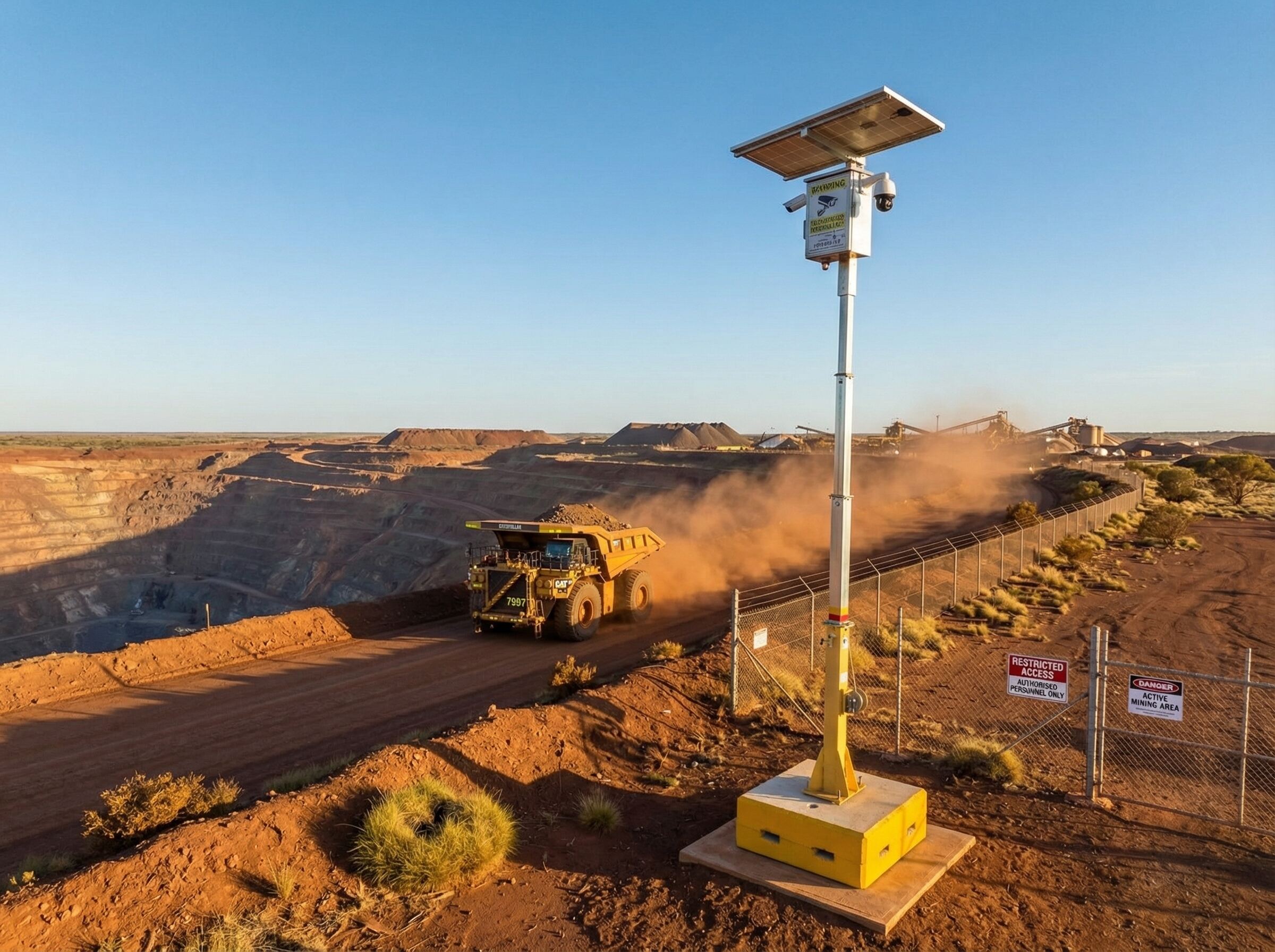
In a scenario like this, Connect Services would typically start with solar security cameras and a wider cloud-managed camera platform designed for isolated assets. Rather than waiting for trenching, permanent communications or a compound office fitout, Connect Services would design a deployment around rapid installation, solar power, cellular backhaul and remote device health monitoring so coverage can be established where risk is highest and adjusted as the site changes.
For a mining client this could include entry tracks, fuel storage, mobile plant areas, perimeter lines and contractor compounds, all managed within a single operational view that aligns with broader mining security and infrastructure requirements. Supervisors and authorised managers would be able to view live activity, search footage remotely, verify alerts before dispatching people to site and share time-stamped clips with internal stakeholders when an incident needs review.
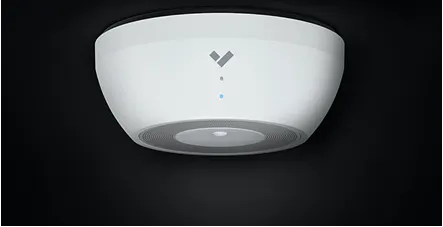
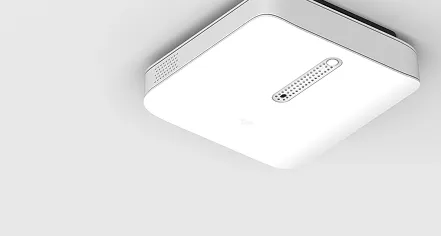
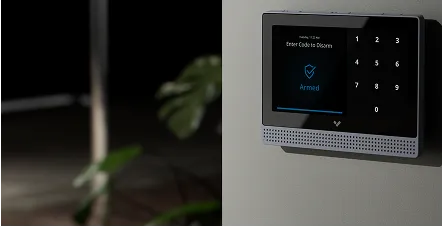
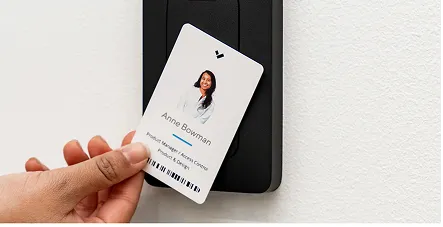
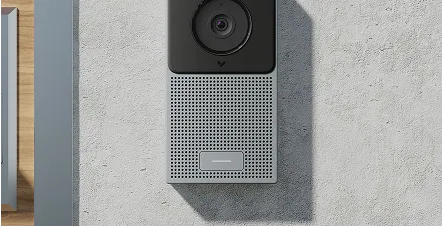
Where power or data later becomes available, the same approach could expand into fixed cameras, access points or alarms without forcing the operator into a completely separate platform. A cloud-managed design is especially useful in mining because the same estate may include permanent plants, temporary work fronts and lightly serviced infrastructure.
Standardising the operating view across those conditions helps avoid the common problem of one flagship facility getting modern visibility while exploration pads, camps or satellite assets remain trapped on older locally managed systems that are harder to govern consistently.
What This Could Improve
The value of that model is practical. It would not guarantee that theft, vandalism or trespass disappears, but it would give remote operators a faster way to detect issues, a better evidentiary record when they do occur, and far less dependence on someone physically driving out to inspect equipment before a decision can be made.
Safe Work Australia’s guidance on remote or isolated work places particular weight on communication, movement records and emergency response capability, and cloud-managed visibility can support those controls by giving teams clearer awareness of what is happening at unattended or lightly staffed assets. It can also reduce wasted travel by helping teams distinguish between a genuine event and an animal trigger, weather issue or authorised after-hours visit.
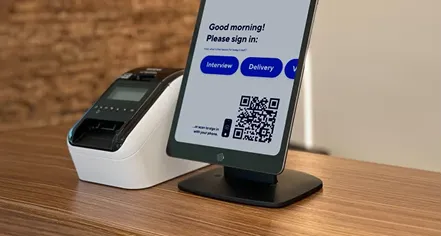
Over time that usually makes the security conversation less about isolated devices and more about standardised operating practice: who receives alerts, how incidents are triaged, how contractors are verified and how evidence is stored when insurers, police or HSE leads need a reliable timeline. It also supports a stronger cross-functional response.
Operations, security, HSE and contractor management can work from the same underlying record, which makes it easier to close out actions, document lessons and show that the organisation is improving controls over time rather than simply reacting to the latest event in isolation.
Next Step
For mining businesses reviewing remote surveillance, the best starting point is normally a risk-led discussion about which locations genuinely need permanent fixed infrastructure, which are better suited to rapid-deploy solar coverage, and how the footage should support operations once it is captured. Connect Services would map that around asset value, site access patterns, communications constraints and escalation workflows, then align the rollout with the most relevant service pages, product options and platform decisions rather than pushing a one-size-fits-all camera count.
That is why mining clients usually benefit from starting with a shortlist of assets where delayed awareness creates the most operational downside, then using those locations to set the standard for wider rollout across camps, compounds and remote infrastructure once the decision-making workflow has been proven.
If you are weighing up remote monitoring for exploration sites, isolated infrastructure or temporary compounds, review the Verkada platform approach and then contact Connect Services to discuss a surveillance design that suits active and unattended mining locations.