Why This Matters
Mining teams do not need to be reminded that safety and compliance work is shaped by evidence. Recent Safe Work Australia figures show the mining industry recorded 10 worker fatalities in 2024, 39 per cent above its five-year average, while broader remote-area analysis continues to show heavier injury burden outside major cities.
On operating sites that means HSE leaders are often trying to reconstruct incidents across workshops, loading areas, fuel zones, plant interfaces and confined or restricted spaces where multiple contractors, vehicles and environmental conditions overlap. The challenge is rarely a lack of responsibility.
It is the lack of usable visibility at the right moment. A handwritten note, a static incident statement or a standalone sensor readout can all help, but they rarely tell the whole story when a threshold breach, unsafe movement, unauthorised entry or near miss unfolds over minutes rather than seconds.
If the information sits in separate systems with different owners, the reporting burden becomes even heavier, and routine audit preparation ends up consuming time that should be spent on prevention and corrective action. That combination of distance, contractor movement and uneven communications is why mining security decisions often sit inside broader HSE and continuity conversations rather than inside a narrow facilities budget.
If an event cannot be reviewed remotely and quickly, the cost shows up in vehicle travel, production interruption, contractor coordination and the time leadership needs to determine whether a local issue is isolated or part of a broader pattern.
How Connect Services Would Respond
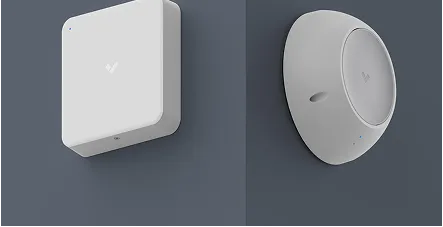
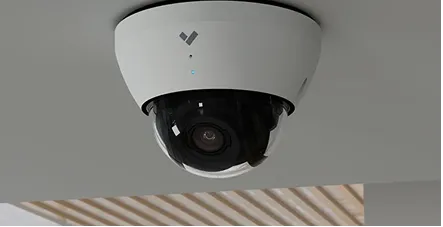
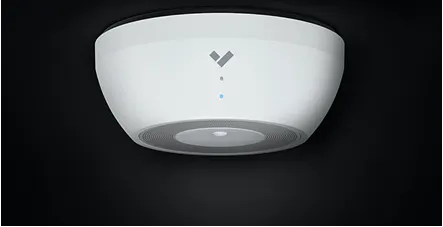
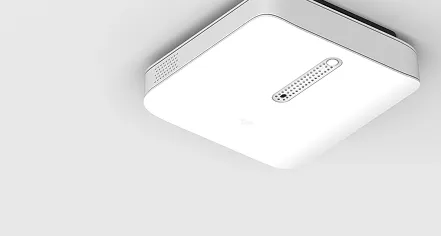
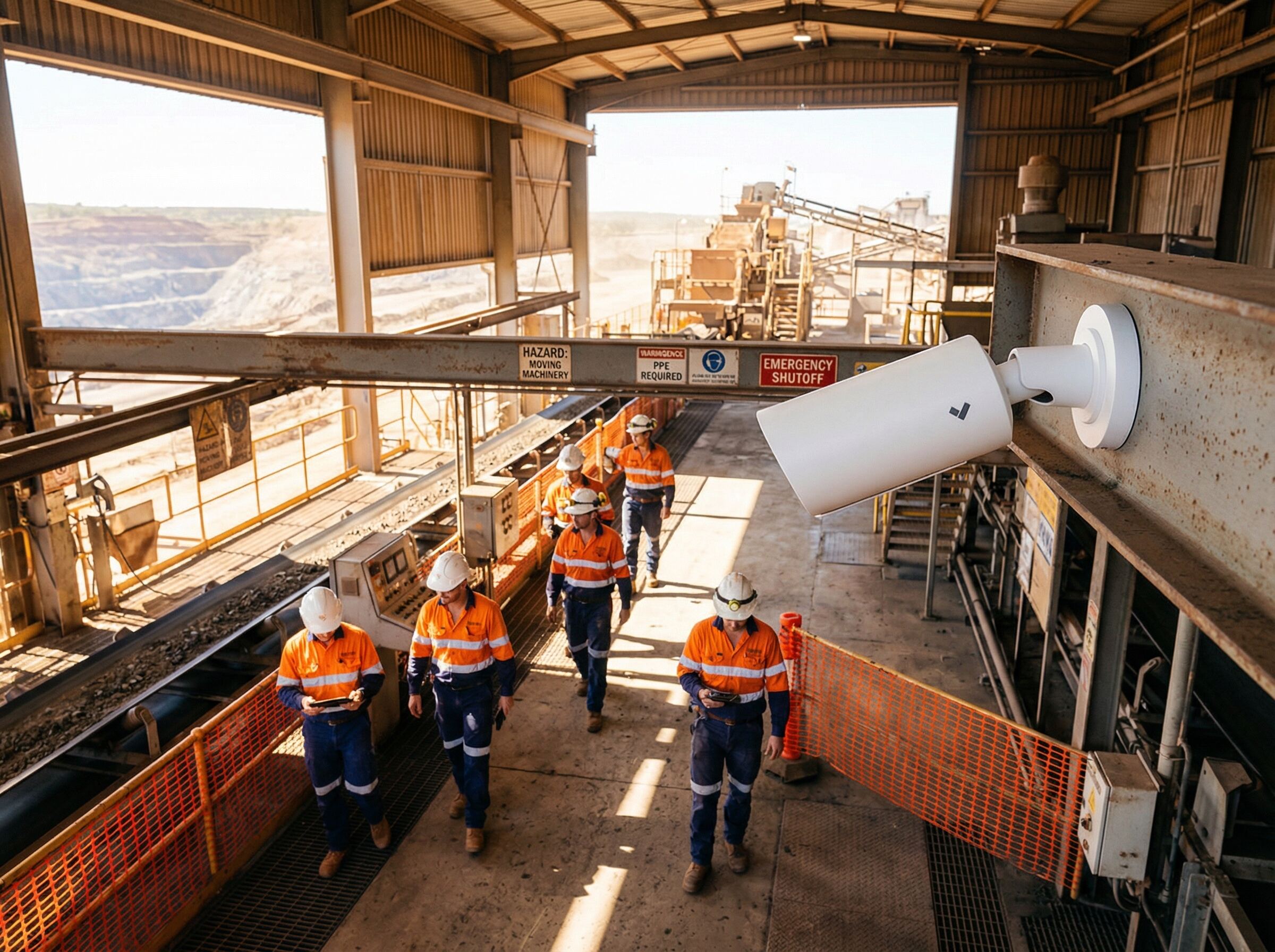
In a scenario like this, Connect Services would usually design an integrated view using the Verkada platform, supported by cloud-managed cameras and, where the operational objective is broader environmental visibility rather than specialist statutory gas detection, supplementary air-quality and environmental sensors. The aim would be to give site leaders one place to review camera footage, occupancy patterns, air-quality trends and threshold alerts around selected high-risk areas.
That might include crib rooms near production areas, indoor workshops, access-controlled plant rooms, storage spaces or process-adjacent zones where conditions need to be understood quickly by operations and HSE teams. Across wider mining environments, Connect Services would make it clear that this kind of cloud-managed monitoring is intended to strengthen visibility and evidence handling, not replace specialist process instrumentation, fixed gas systems or any mandated engineering controls already required on site.
Used properly, it becomes an operational layer that helps the right people see and respond faster. A cloud-managed design is especially useful in mining because the same estate may include permanent plants, temporary work fronts and lightly serviced infrastructure.
Standardising the operating view across those conditions helps avoid the common problem of one flagship facility getting modern visibility while exploration pads, camps or satellite assets remain trapped on older locally managed systems that are harder to govern consistently.
What This Could Improve
That distinction matters because the real value is in coordinated response and better documentation. Cameras can help explain what happened before, during and after an event.
Supplementary environmental data can help teams see whether a space had persistent occupancy, ventilation or comfort issues worth further investigation. Automated alerting can reduce the lag between an issue emerging and a supervisor becoming aware of it.
When those records are available from the same environment, HSE teams can prepare internal reviews, contractor follow-up and recurring-risk discussions with less time spent chasing files and screenshots across different systems. The approach also supports consistency across multiple facilities, which becomes increasingly important as operators standardise reporting expectations from site to site.
It does not eliminate the need for inductions, safe work procedures, inspections or specialist instrumentation, but it can materially improve how operational evidence is collected and shared. In practice that often means stronger incident timelines, cleaner audit preparation and a more informed conversation about where engineering or procedural controls should be tightened next.
It also supports a stronger cross-functional response. Operations, security, HSE and contractor management can work from the same underlying record, which makes it easier to close out actions, document lessons and show that the organisation is improving controls over time rather than simply reacting to the latest event in isolation.
Next Step
If a mining business wants better monitoring around safety-critical zones, the sensible next step is to define the decision that better visibility needs to support. That might be earlier escalation, clearer incident reconstruction, better contractor accountability or a simpler audit trail across multiple facilities.
Connect Services would shape the design around that operational outcome first, then align the camera, access and sensor layer around existing site controls instead of treating security and HSE as separate programs.
That is why mining clients usually benefit from starting with a shortlist of assets where delayed awareness creates the most operational downside, then using those locations to set the standard for wider rollout across camps, compounds and remote infrastructure once the decision-making workflow has been proven.
For operators looking at integrated visibility across workshops, restricted areas or process-adjacent spaces, review the mining solutions context and then contact Connect Services to discuss a monitoring approach that strengthens evidence and response without overstating what the technology should replace.