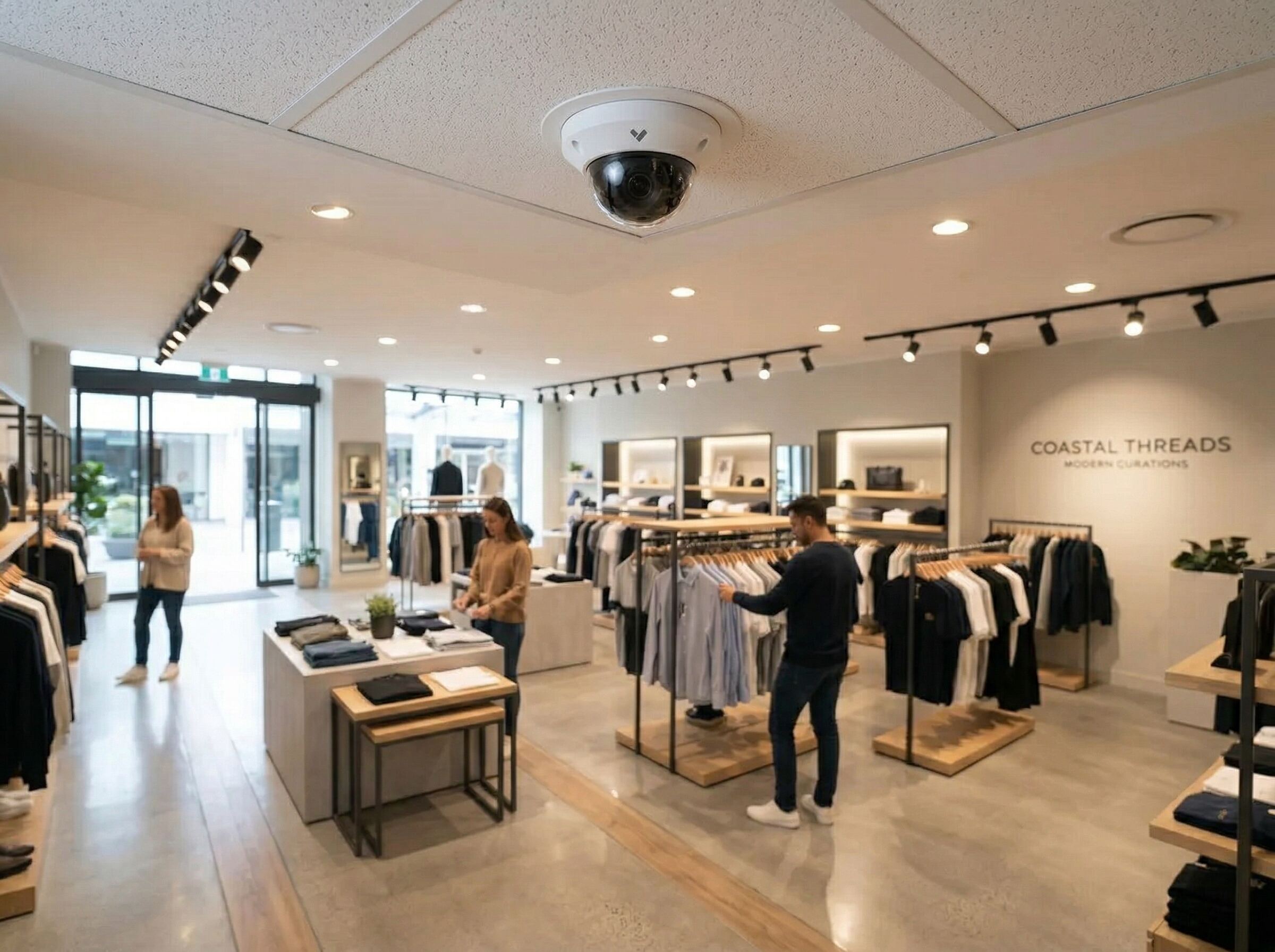
Why This Matters
Retail security is no longer a narrow loss-prevention issue. Recent Jobs and Skills Australia data shows retail trade employs about 1.34 million people in Australia and roughly half of those workers are part-time, which means stores are often balancing thin margins, variable staffing and high customer throughput at the same time.
National crime data adds another pressure point: almost half of all “other theft” recorded by police in 2024 occurred in retail locations, up sharply from around one-third in 2010. For store operators that reality shows up as small repeated losses, opportunistic grab-and-run events, stock-room discrepancies, customer aggression and the constant challenge of working out whether a pattern is isolated or spreading across the estate.
The difficulty is not just catching an obvious incident. It is understanding what is actually happening on the shop floor quickly enough to respond, coach staff and protect margin without turning every store into a fortress.
When footage is hard to retrieve or search, the team often ends up relying on memory, incomplete incident notes and delayed escalations that do not help the next shift. Retailers also feel these issues in labour and customer-experience terms, not just in shrinkage reports.
When incidents are poorly understood, store teams spend more time on anecdotal reviews, regional leaders struggle to prioritise support and operational decisions are made with less confidence than a high-volume trading environment really demands.
How Connect Services Would Respond
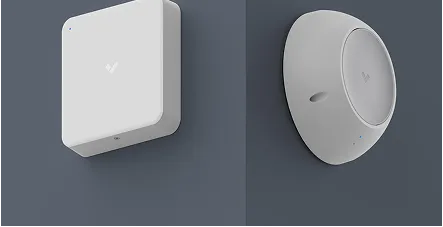
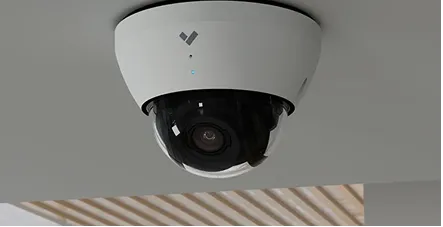
In that context, Connect Services would usually start with cloud-managed security cameras supported by the wider Verkada camera platform and aligned to the practical realities of retail and shopping-centre operations. The design would focus on entrances, checkouts, service desks, high-value displays, stock-room access points and other locations where a store needs both security coverage and fast incident retrieval.
Because footage and alerts are available centrally, store managers and regional teams would be able to review incidents, search time windows and share clips without waiting on a local recorder or a single technically minded team member. Connect Services would shape the deployment so it supports the way retail teams actually work: quick onboarding for new stores, consistent settings across the estate, and reporting that helps operators compare incident types, repeat behaviours and response quality from site to site.
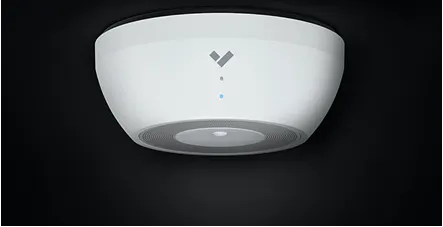
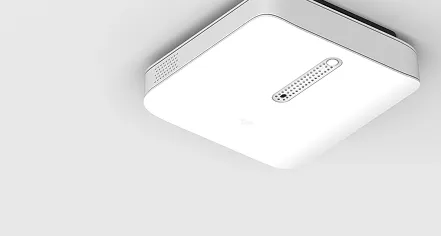
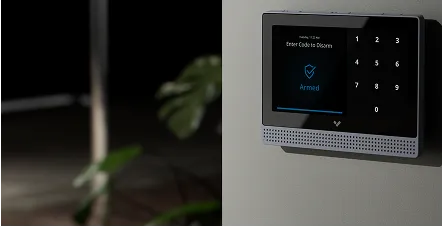
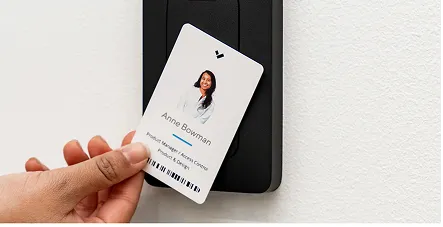
Where the brief expands beyond cameras, the platform can also support linked alarms or restricted-area access without forcing the retailer into separate systems for every risk type. A central cloud-managed model helps because stores can be onboarded, compared and supported in the same way instead of each site becoming its own exception.
That is particularly helpful for retail groups opening new locations, refitting existing ones or trying to lift security maturity without leaning on local IT support for every configuration or evidence request.
What This Could Improve
The operational gain is better visibility into loss drivers, not a guaranteed percentage reduction in shrinkage. A cloud-managed record makes it easier to verify whether stock loss stems from external theft, back-of-house process gaps, delivery issues or simple handling error.
It also helps identify when the same behaviour is appearing across multiple stores, which is difficult to see when each site manages footage in isolation. For store teams, that can mean quicker internal review, stronger evidence when police or centre management need it, and more confidence when de-escalating or reporting customer incidents.
For regional leaders, it creates a more usable picture of where resources should go next, whether that is staff training, layout change, restricted stock access or after-hours coverage. The point is not to promise a perfect security outcome.
It is to give retailers a system that is fast enough to inform real decisions while incidents are still relevant, instead of leaving the business to absorb loss and debate it after the fact. The wider implication is that the platform becomes more useful to managers outside the security function.
Better visibility can inform coaching, rostering, layout change, stock handling and escalation standards as well as incident response, which is why the most persuasive retail deployments are usually the ones that solve an operating problem and a security problem at the same time.
Next Step
The most effective retail rollouts usually begin by identifying which losses or incidents the business currently understands poorly, then working backwards to the views, retention settings and review workflows that would close that gap. Connect Services would take that risk-led approach so the platform supports both store operations and security without becoming another admin burden for managers already stretched across trading, staffing and customer service.
Retail projects usually work best when they begin with the stores, zones or workflows that currently create the most uncertainty, whether that is repeated theft, poor evidence retrieval, queue pressure or fragmented alarm handling.
Once the business agrees that first priority, the rollout can be scoped much more clearly around commercial value rather than generic camera coverage.
If you are reviewing shrinkage, repeat theft or incident handling across single sites or larger retail estates, explore the wider cloud-managed platform and then contact Connect Services to discuss a surveillance approach that is commercially grounded as well as operationally useful.