Why This Matters
The bigger a retail estate becomes, the less workable site-by-site security management tends to be. A single-store operator can often live with one recorder, one alarm process and one trusted manager who knows where everything sits.
A group with ten, twenty or fifty stores cannot. Retail is now one of Australia’s largest employing industries, with about 1.34 million workers, and a substantial part-time workforce means many sites are operating with lean management cover across early, late and weekend trading.
Add national theft pressure and the public-facing nature of the sector, and multi-site operators often end up with the same recurring problem: incidents happen locally, but the people who need to review them, compare them and make system-wide decisions sit elsewhere. If every store uses different hardware, retention rules, export methods or alarm contacts, response quality becomes inconsistent by default.
One store resolves issues quickly, another cannot retrieve footage, and head office only sees patterns once the loss has already spread. Over time that inconsistency becomes expensive because it affects not just shrinkage but also training, compliance, store-opening readiness and confidence in reported incident data.
Retailers also feel these issues in labour and customer-experience terms, not just in shrinkage reports. When incidents are poorly understood, store teams spend more time on anecdotal reviews, regional leaders struggle to prioritise support and operational decisions are made with less confidence than a high-volume trading environment really demands.
How Connect Services Would Respond
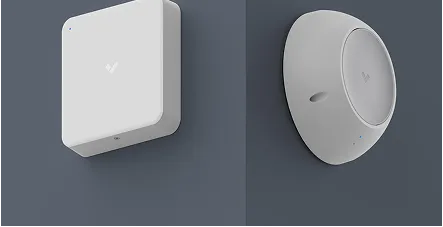
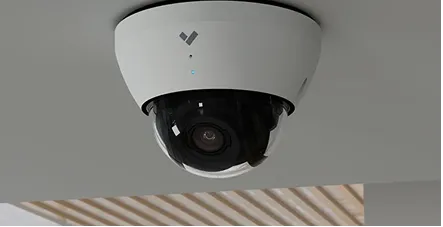
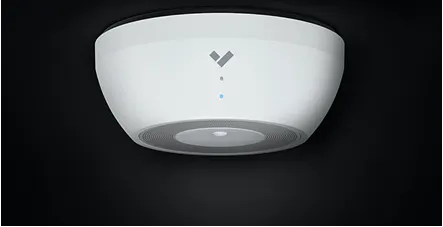
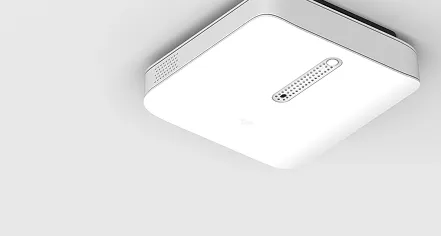
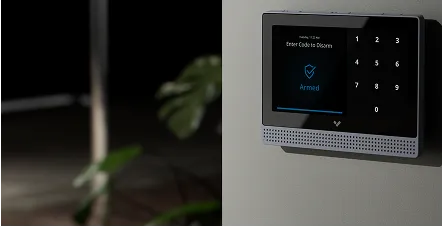
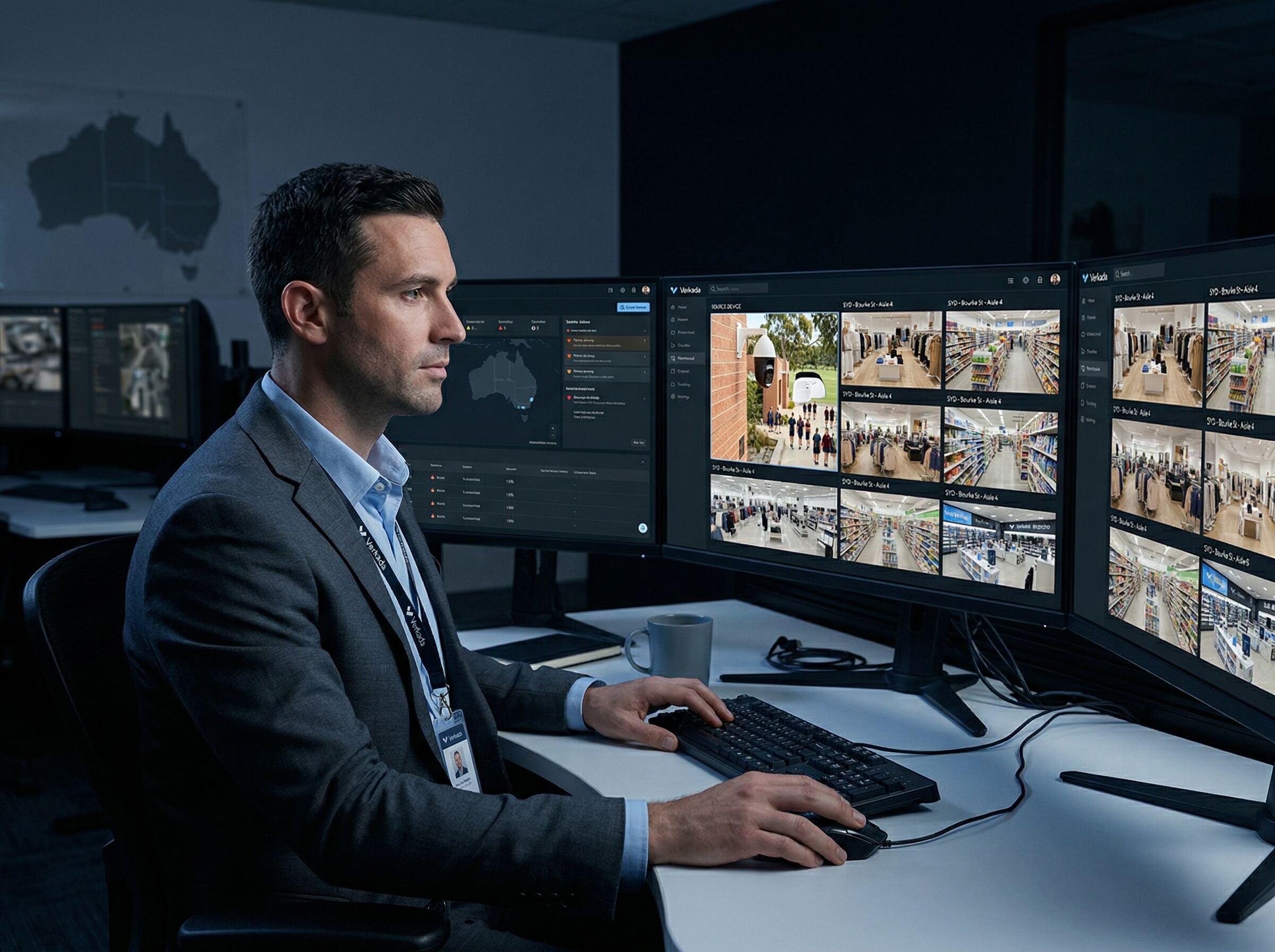
Connect Services would normally tackle that by combining alarm monitoring, cloud-managed camera coverage and broader retail security planning into one operating model across the estate. Instead of each store acting as a separate technology island, regional managers and authorised support teams would be able to view alarms, footage and incident timelines from a shared platform with consistent naming, permissions and retention settings.
That gives head office a more practical way to support stores that do not have on-site technical expertise, while still leaving local managers with the tools they need for day-to-day review. New sites can be onboarded to the same standard more quickly, and existing stores can be uplifted in stages without the business waiting for a single all-or-nothing replacement program.
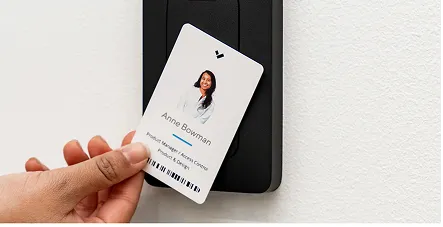
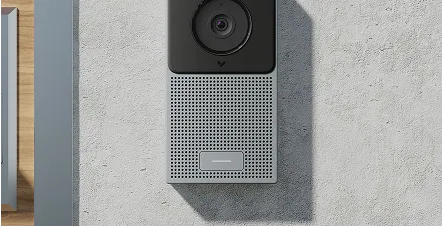
Where back-of-house risk is part of the brief, the same approach can extend into restricted stock areas or receiving points so the retailer sees one system instead of a patchwork of camera, door and alarm vendors. A central cloud-managed model helps because stores can be onboarded, compared and supported in the same way instead of each site becoming its own exception.
That is particularly helpful for retail groups opening new locations, refitting existing ones or trying to lift security maturity without leaning on local IT support for every configuration or evidence request.
What This Could Improve
The benefit is consistency of response. A suspicious event in one store can be reviewed with the same workflow as a similar event in another.
Regional leaders can compare patterns more reliably, identify stores needing extra support and tighten procedures where incidents keep recurring. It also reduces dependence on individual staff members who happen to know how one local system works, which matters in a sector where store leadership and casual staffing can change quickly.
Centralisation does not mean every site must be managed from head office all the time. It means the business has a common source of truth when it needs one.
That helps with incident escalation, training, compliance reporting and store-opening readiness, and it creates a more stable platform for growth if the group adds new locations, refits existing ones or acquires another estate. The result is less operational drift between sites and a clearer basis for making decisions about where security investment should go next.
The wider implication is that the platform becomes more useful to managers outside the security function. Better visibility can inform coaching, rostering, layout change, stock handling and escalation standards as well as incident response, which is why the most persuasive retail deployments are usually the ones that solve an operating problem and a security problem at the same time.
Next Step
For most retail groups, the right first step is not choosing hardware. It is deciding which reviews should stay local, which ones need regional oversight and what a consistent incident workflow should look like across the estate.
Connect Services would build the rollout around those operating decisions, then map the cameras, alarms and permissions to fit. Retail projects usually work best when they begin with the stores, zones or workflows that currently create the most uncertainty, whether that is repeated theft, poor evidence retrieval, queue pressure or fragmented alarm handling.
Once the business agrees that first priority, the rollout can be scoped much more clearly around commercial value rather than generic camera coverage.
If you are trying to standardise security across multiple stores, shopping-centre tenancies or mixed-format retail sites, look at the platform model and then contact Connect Services to discuss a centralised monitoring design that gives the business a clearer, more scalable view of risk.