Why This Matters
Retail margins are often won or lost in small operational decisions. Staffing one extra person at the wrong time hurts wage efficiency.
Understaffing during a rush creates queues, poor service and abandoned purchases. Jobs and Skills Australia data shows retail employs more than 1.3 million people and relies heavily on part-time labour, which means many operators are constantly balancing variable foot traffic against flexible rostering and wage pressure.
In that environment, a security system that only records incidents can feel like a sunk cost. A better model is one that still protects the site while also giving managers a practical view of how customers move through it.
That might mean understanding entry patterns by time of day, identifying persistent queue pressure at service points, comparing front-of-store traffic with staffed hours or checking whether merchandising and layout changes altered movement around a high-value zone. The key is to extract operational visibility without turning customer monitoring into something intrusive or speculative.
For most retailers the goal is not surveillance theatre. It is clearer evidence about what is happening on the floor so staffing, layout and service decisions are based on observation rather than guesswork.
Retailers also feel these issues in labour and customer-experience terms, not just in shrinkage reports. When incidents are poorly understood, store teams spend more time on anecdotal reviews, regional leaders struggle to prioritise support and operational decisions are made with less confidence than a high-volume trading environment really demands.
How Connect Services Would Respond
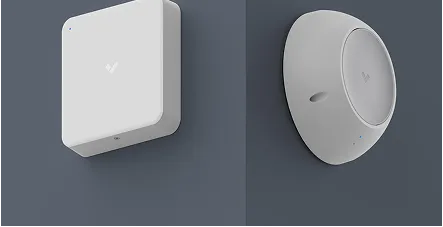
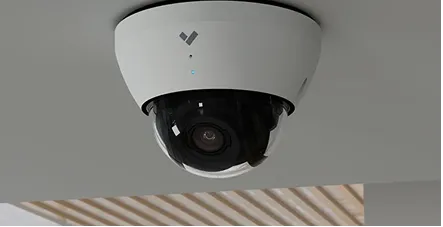
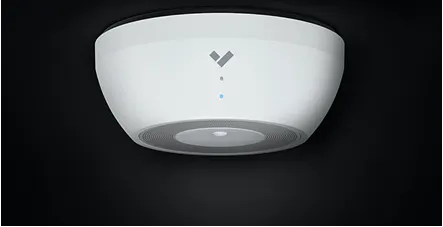
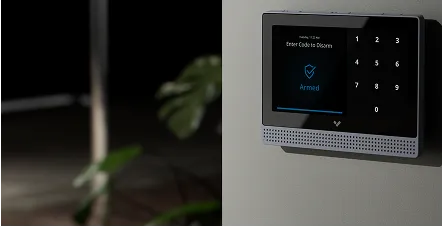
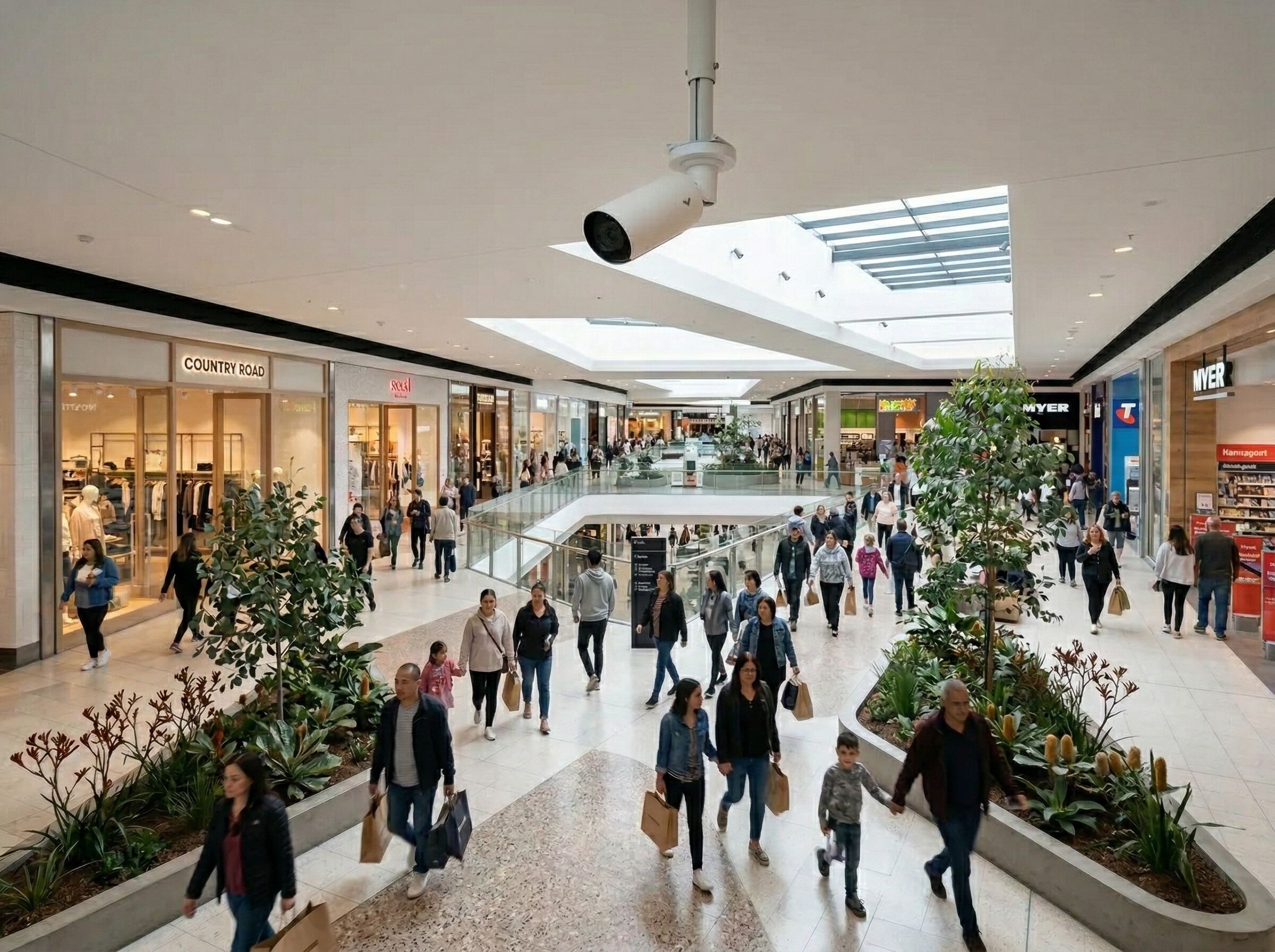
Connect Services would typically approach that with cloud-managed security cameras and relevant occupancy and workplace analytics capabilities, tied back to the broader needs of retail and shopping-centre operators. The deployment would still be designed first as a security system, covering entrances, tills, service counters, high-value zones and back-of-house access points, but the same platform can also help managers understand customer flow, occupancy spikes and queue build-up in ways that support store operations.
Because the data sits in a centrally accessible environment, multi-site retailers can compare locations without asking each store manager to maintain separate counting spreadsheets or pull footage manually for review meetings. Connect Services would frame the solution carefully, focusing on aggregated activity patterns and operational review rather than promising perfect demand forecasting or invasive individual tracking.
Used properly, it gives operators one system that supports both security and trading discipline instead of creating separate data silos for each. A central cloud-managed model helps because stores can be onboarded, compared and supported in the same way instead of each site becoming its own exception.
That is particularly helpful for retail groups opening new locations, refitting existing ones or trying to lift security maturity without leaning on local IT support for every configuration or evidence request.
What This Could Improve
That dual purpose is often what makes the investment easier to justify. A retailer may begin with a security brief, but once the platform is in place it can also show when a queue consistently forms before another service point opens, whether a promotion is drawing people into the right part of the store, or whether labour allocation matches the real peaks in traffic.
It also helps challenge assumptions. A team may believe certain hours are busiest because they feel busiest, only to find that entry levels, dwell patterns or service bottlenecks tell a different story.
None of that guarantees a sales uplift, and the copy should not suggest it does. What it can reasonably claim is better operational visibility, faster review and a more useful return on the security platform because the data informs staffing and layout conversations as well as loss prevention.
For chains and larger independents alike, that makes the system more relevant to store managers and operations leaders, not just security stakeholders. The wider implication is that the platform becomes more useful to managers outside the security function.
Better visibility can inform coaching, rostering, layout change, stock handling and escalation standards as well as incident response, which is why the most persuasive retail deployments are usually the ones that solve an operating problem and a security problem at the same time.
Next Step
The right place to start is usually one store or one estate question that matters commercially, such as queue pressure, entry peaks or whether staffing really matches customer demand. Connect Services would use that question to shape the camera placement, reporting view and review workflow so the rollout creates operational value without overcomplicating the store team’s day.
Retail projects usually work best when they begin with the stores, zones or workflows that currently create the most uncertainty, whether that is repeated theft, poor evidence retrieval, queue pressure or fragmented alarm handling.
Once the business agrees that first priority, the rollout can be scoped much more clearly around commercial value rather than generic camera coverage.
If you want a security platform that also gives clearer insight into customer flow and trading conditions, review the workplace analytics angle and then contact Connect Services to discuss a retail deployment that supports both site security and smarter store operations.